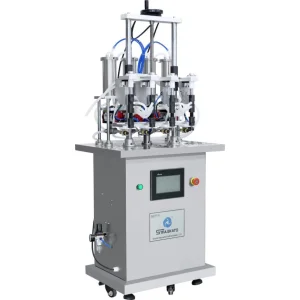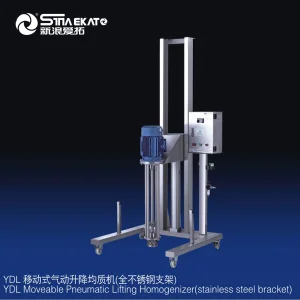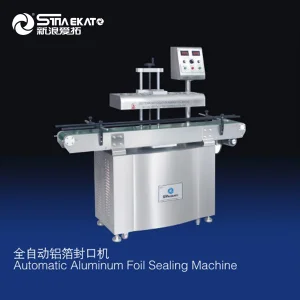
Germany stands as the largest market for cosmetic products in Europe, underpinned by a robust industrial framework known for "Mittelstand" innovation and rigorous quality standards. For manufacturers and suppliers of Cosmetic Production Auxiliary Equipment, the German market represents both a high-tier opportunity and a technical challenge. Unlike emerging markets, the DACH region (Germany, Austria, Switzerland) demands equipment that integrates seamlessly into Industry 4.0 environments, prioritizing energy efficiency, carbon footprint reduction, and absolute compliance with EU Regulation (EC) No 1223/2009 and ISO 22716 (GMP).
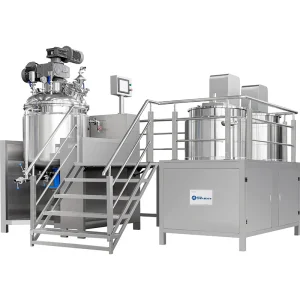
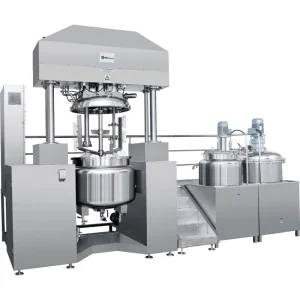
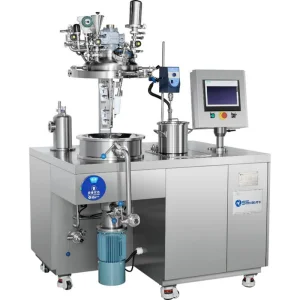
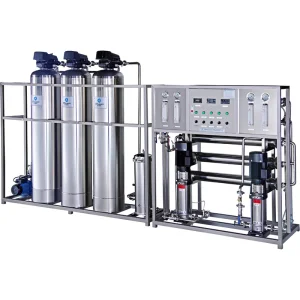
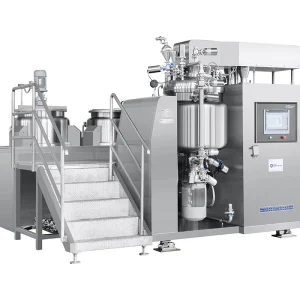
In the current global industrial context, the "auxiliary" nature of equipment is evolving. Modern cosmetic plants in Berlin, Munich, or Hamburg are moving away from fragmented production. Integrated macro solutions now include centralized RO Water Treatment Systems that feed directly into Vacuum Emulsifying Mixers, controlled by unified PLC systems. This reduces human error and ensures that the chemical composition of high-end skincare or pharmaceutical-grade ointments remains consistent across batches.
High-shear dispersion technology designed to handle viscosity ranges from 1,000 to 100,000 cps, crucial for German luxury derma-cosmetics.
Full CE certification and material traceability (Stainless Steel 316L) to meet the stringent Audit requirements of the German health authorities.
Energy-recovery steam generators and water-saving RO systems designed for the ecologically conscious European manufacturing sector.
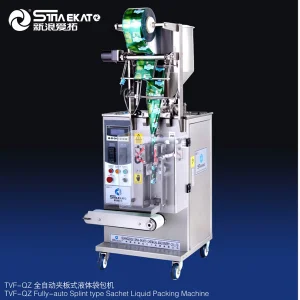
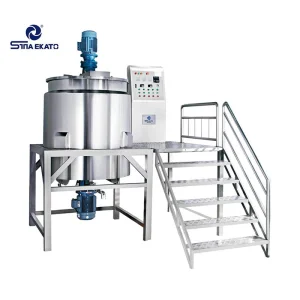
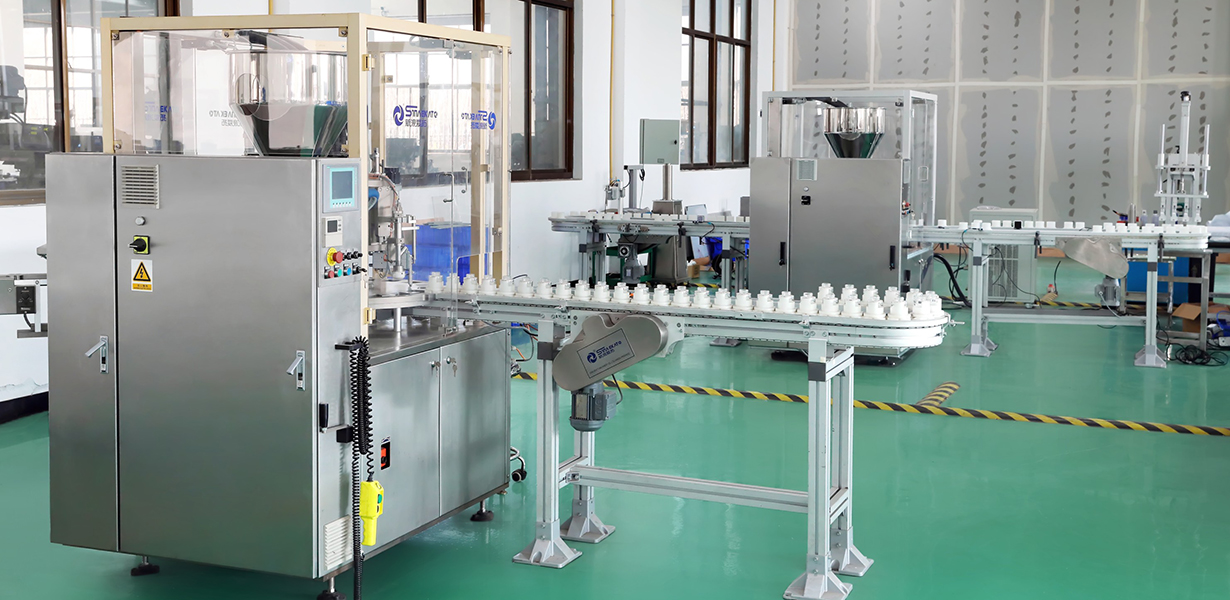
The application of auxiliary equipment varies significantly across the German landscape. In the Baden-Württemberg region, famous for its specialized engineering, the focus is on high-speed Sachet Packing Machines for travel-sized organic products. Meanwhile, in North Rhine-Westphalia, large-scale Stainless Steel Storage Tanks and Tube Filling Machines are the backbone of mass-market personal hygiene production lines. SINAEKATO provides localized support that understands these regional industrial nuances, offering on-site installation assistance and technical FAT (Factory Acceptance Testing) that aligns with German engineering expectations.
Years of Experience
Global Export Countries
Patented Technologies
Quality Guarantee
Success Projects
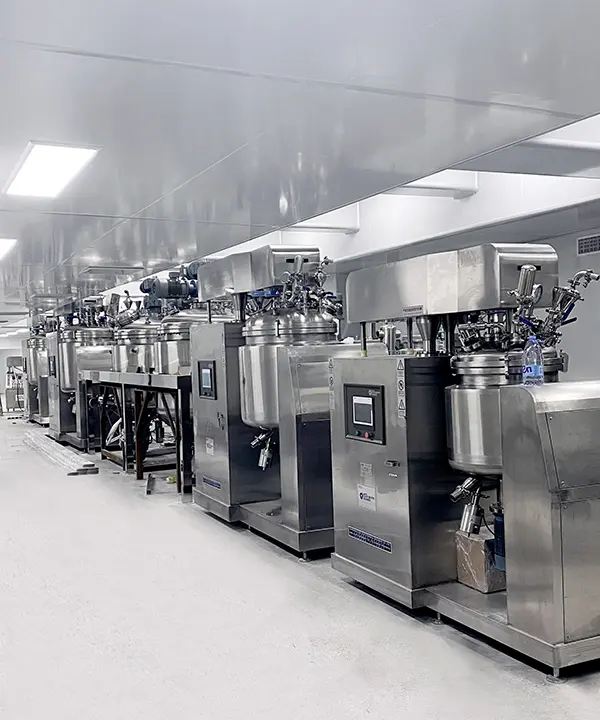
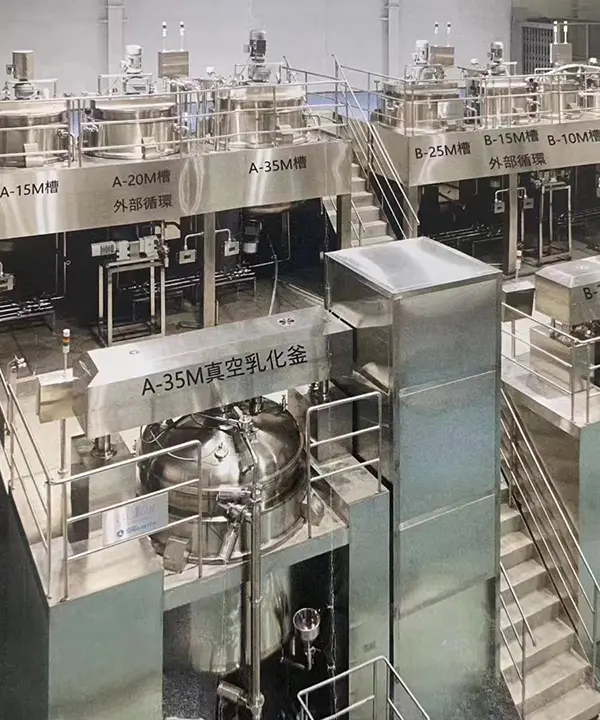
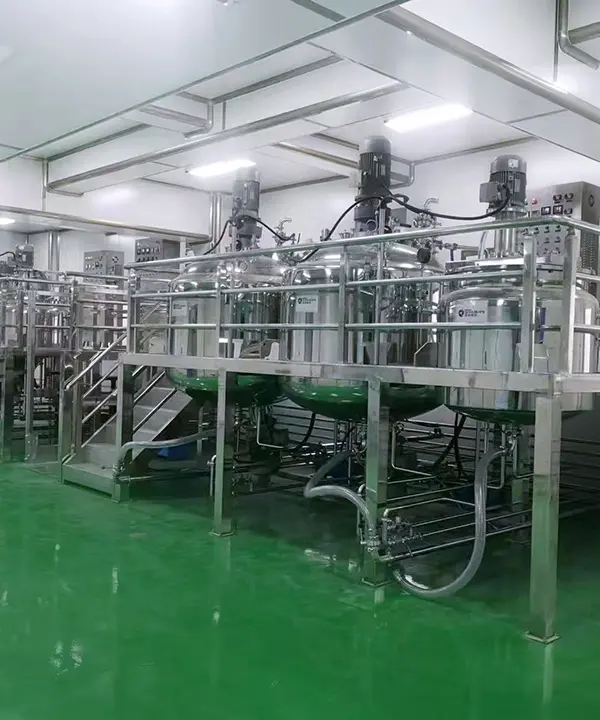
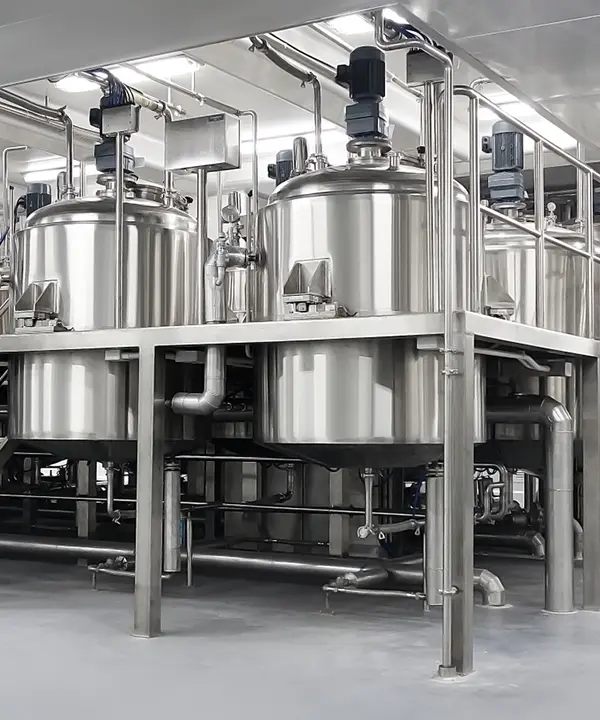
The next decade of cosmetic production in Germany will be defined by two pillars: Digital Twins and Carbon Neutral Production. SINAEKATO is already pioneering the integration of IoT sensors in our auxiliary equipment. These sensors allow for predictive maintenance, reducing downtime by up to 30%. Furthermore, our latest RO Water Purification systems are optimized to consume 20% less electricity, directly contributing to our clients' ESG (Environmental, Social, and Governance) goals.
As we move forward, the synergy between German engineering requirements and our agile manufacturing capabilities will continue to produce solutions that are not just machines, but competitive advantages for beauty brands worldwide.
A: Yes, all SINAEKATO equipment destined for the German market is fully CE certified. We use Stainless Steel 316L for all contact parts and provide complete material certification and pressure test reports required for German safety audits.
A: We offer a dual-support system. Remote technical assistance is available 24/7 via video link for immediate troubleshooting. For major installations or complex maintenance, we can dispatch engineers to your site in Germany or work with local partners to ensure rapid response.
A: Absolutely. Our control systems (Siemens, Delta, or Omron) are designed with open-architecture protocols like Profinet or Modbus, allowing seamless communication with your factory’s central management software.
A: Depending on the complexity and customization, the production time ranges from 30 to 60 days. Shipping via sea typically takes another 30-35 days to reach the port of Hamburg or Bremerhaven.