In the contemporary industrial era, the demand for precision handling of viscous liquids—ranging from heavy cosmetic creams and pharmaceutical gels to industrial lubricants and food-grade pastes—has seen an unprecedented surge. As a leading Viscous Liquid Filler Supplier and Factory, we observe that the market is transitioning from simple mechanical filling to AI-driven, high-accuracy systems. The global market for liquid filling machinery is projected to grow significantly as emerging economies in Asia-Pacific and Africa modernize their cosmetic and FMCG (Fast-Moving Consumer Goods) production lines.
The core challenge in viscous filling lies in the rheology of the materials. Unlike water-like liquids, viscous substances resist flow and are prone to trapping air, leading to inaccuracies and hygiene concerns. Our engineering philosophy centers on overcoming these hurdles through advanced piston displacement technology and vacuum-assisted feeding systems.
Rise in customized skincare, demand for eco-friendly packaging, and stringent pharmaceutical safety standards are the primary catalysts for next-gen filler adoption.
Transitioning from manual pneumatic controls to PLC-integrated servo systems allows for sub-millimeter precision in filling volume control.
Modern factories focus on reducing "Dead Volume"—the product left in pipes—to maximize yield and minimize waste during cleaning cycles (CIP).
As we look toward 2030, the Viscous Liquid Filler industry is moving toward "Smart Factories." Our R&D department is currently focusing on three critical technological pillars:
Focus on high-aesthetic packaging and multi-color viscous filling (e.g., swirled creams) requiring extreme precision and vacuum de-aeration.
Strict adherence to GMP standards with complete data logging for every filling cycle to ensure regulatory compliance.
High-volume output for sauces and pastes with integrated heat-jacketed hoppers to maintain flowability.
Our designs are led by veteran engineers specializing in fluid dynamics and mechanical automation, ensuring stable quality assurance and effective performance.
Headquartered with sales centers in Guangzhou and Hong Kong, we provide worldwide after-sale service and installation assistance.
We provide Patent Certificates, CE Certification, ISO9001, and Stainless Steel 316L material certifications for all equipment.
① Mutual Communication & On-site visit
② Professional Technical Design
③ Technical Confirmation
④ Sign PI & Contract
⑤ Production (Cutting, Welding, Installation)
⑥ FAT (Factory Acceptance Testing) & Video
⑦ Export Standard Wooden Packing
⑧ Shipping by Sea or Air
⑨ Installation Assistance (Video/On-site)
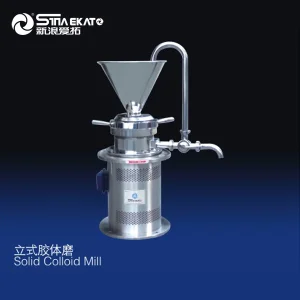
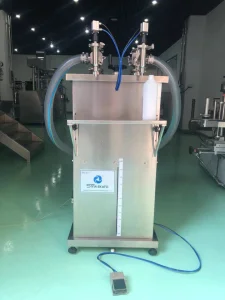
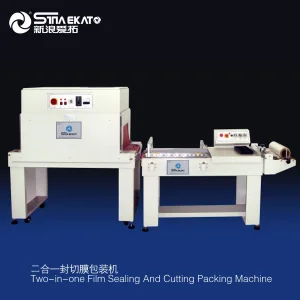
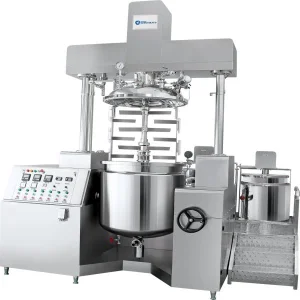
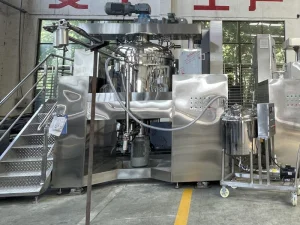
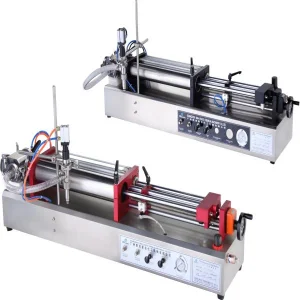
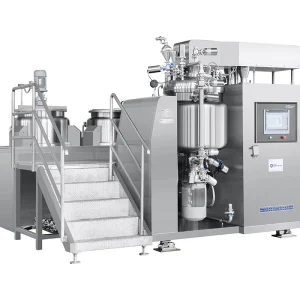
We don't just sell machines; we provide End-to-End Production Solutions. For a new factory, we offer: RO Water Treatment → Vacuum Emulsifying Mixer → Storage Tanks → Automatic Viscous Liquid Filler → Capping/Labeling → Inkjet Printing → Shrink Wrapping. This holistic approach ensures zero compatibility issues between different stages of the production line.
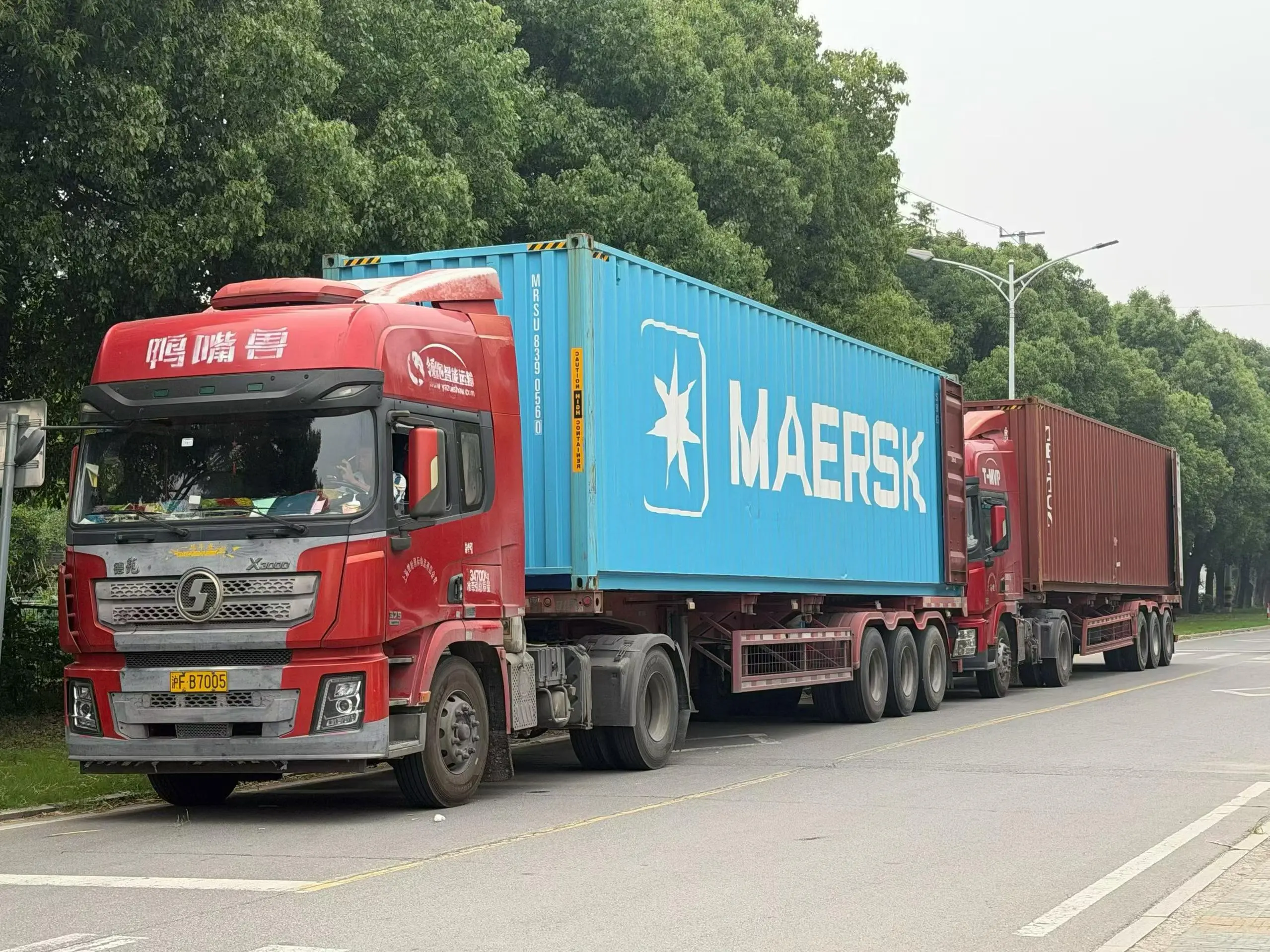
Dispatching eight full containers of customized equipment, highlighting our capacity for large-scale global logistics.
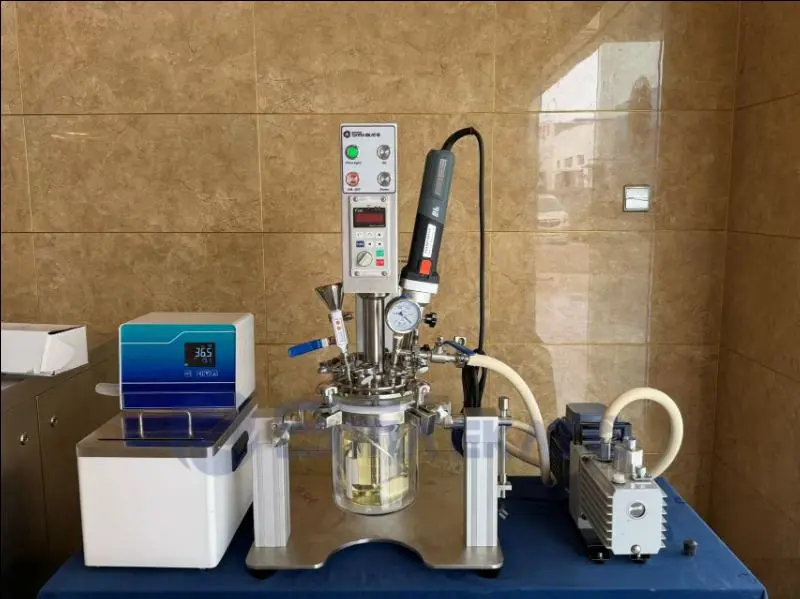
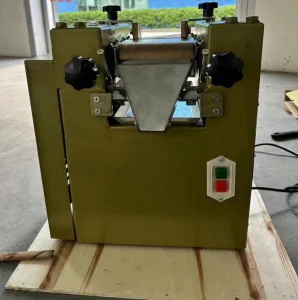
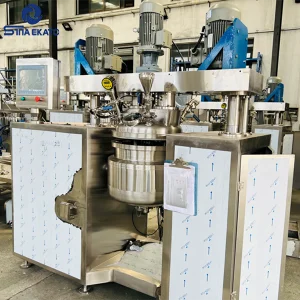
Perfect for R&D and small-batch production, ensuring a seamless transition from lab to mass production.
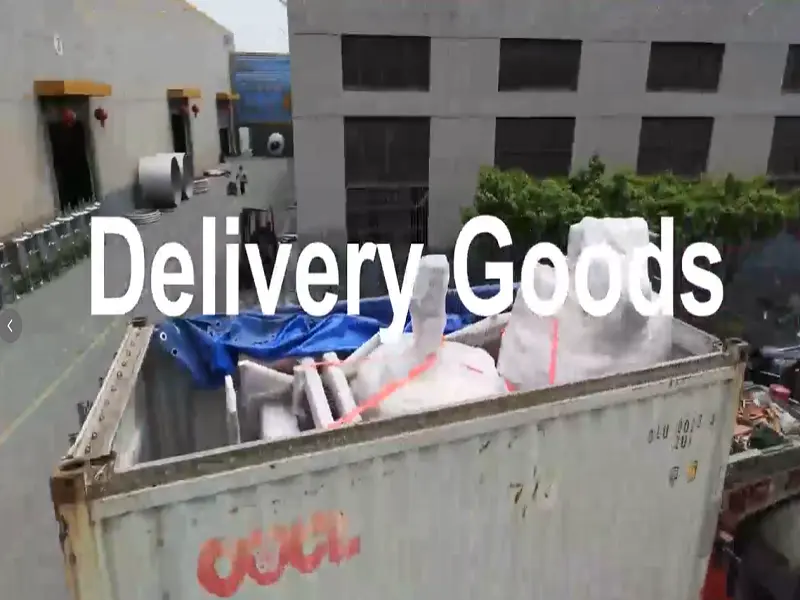
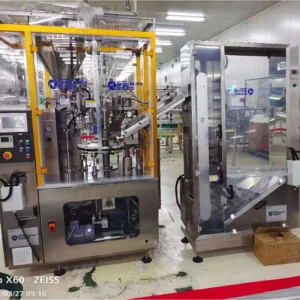
Behind every shipment is a rigorous FAT process to ensure equipment arrives in perfect condition.
A: The price is influenced by the filling accuracy requirements, the number of filling heads, the level of automation (semi vs. full auto), and the corrosive nature of the product which might require special alloy steels.
A: It removes air bubbles from the viscous liquid during the mixing phase. De-aerated products have a more stable density, which directly translates to higher filling volume accuracy.
A: Yes, specifically designed piston fillers with large-diameter rotary valves can handle viscous liquids containing particulates without crushing them.
A: Depending on complexity, lead times typically range from 30 to 60 days, including design, manufacturing, and rigorous factory testing.