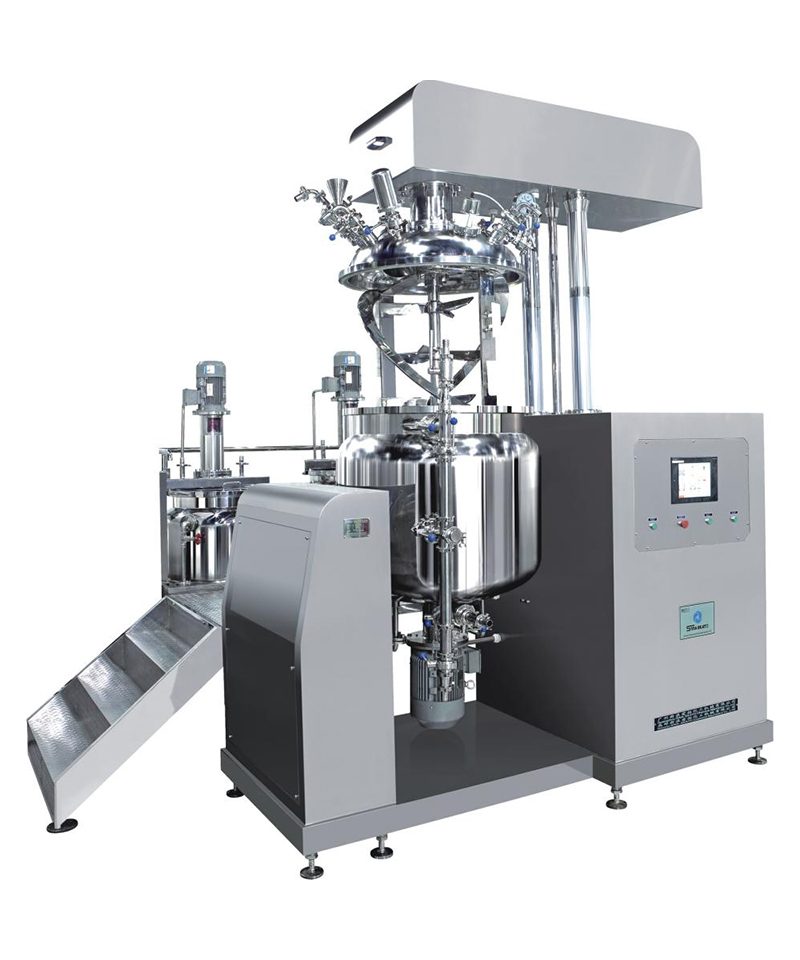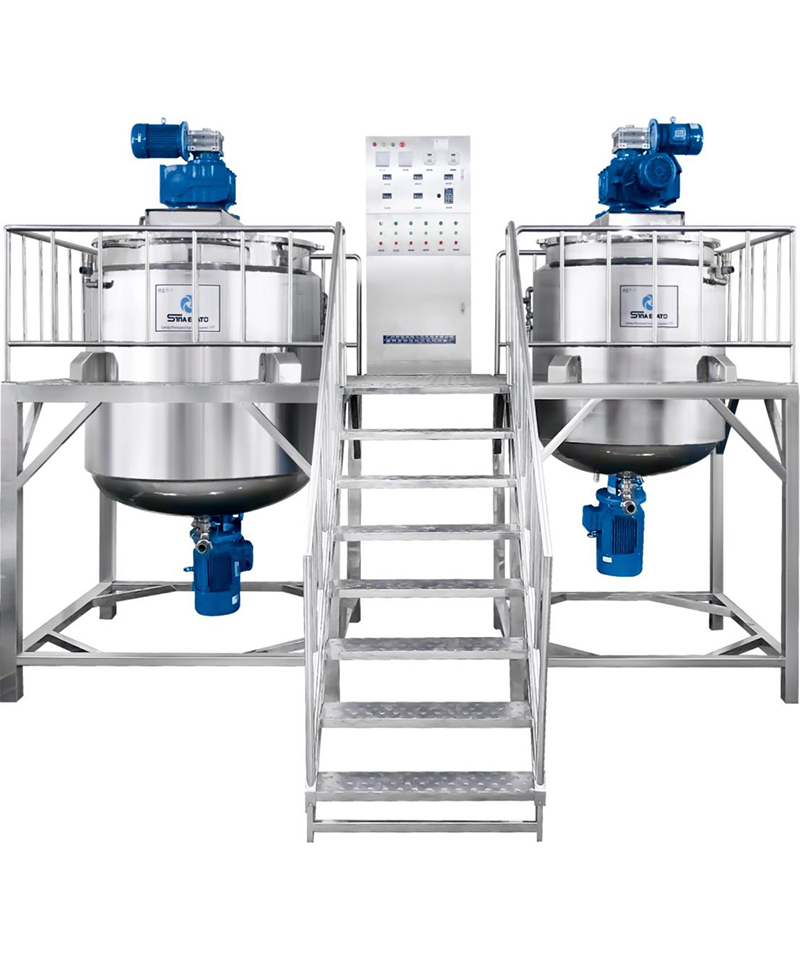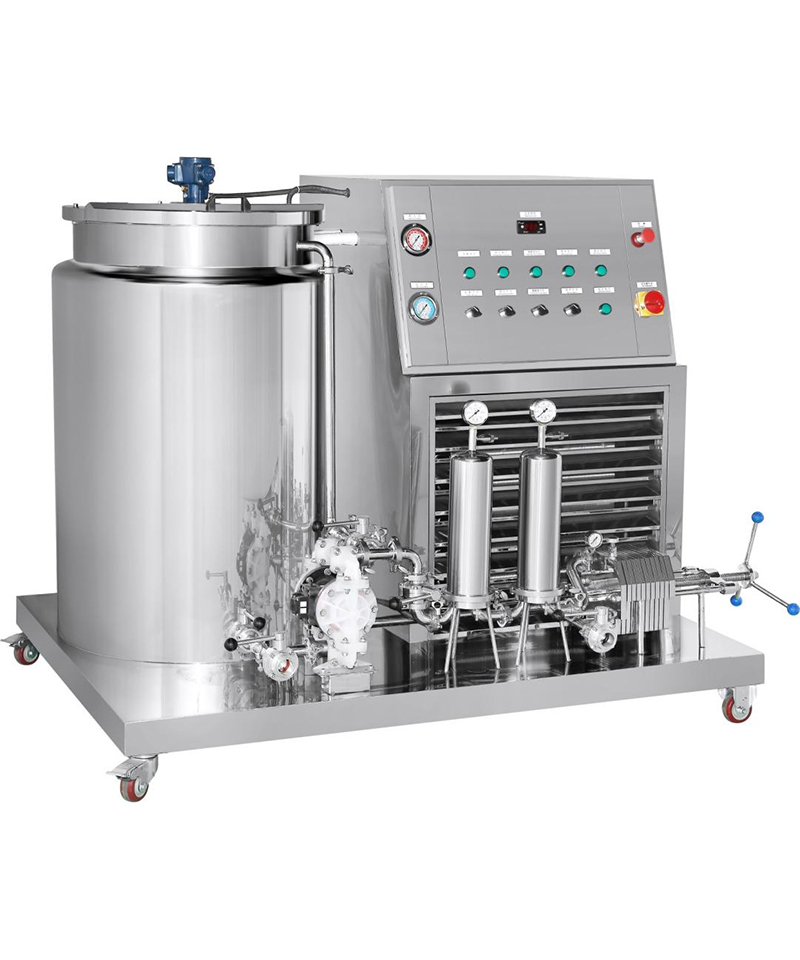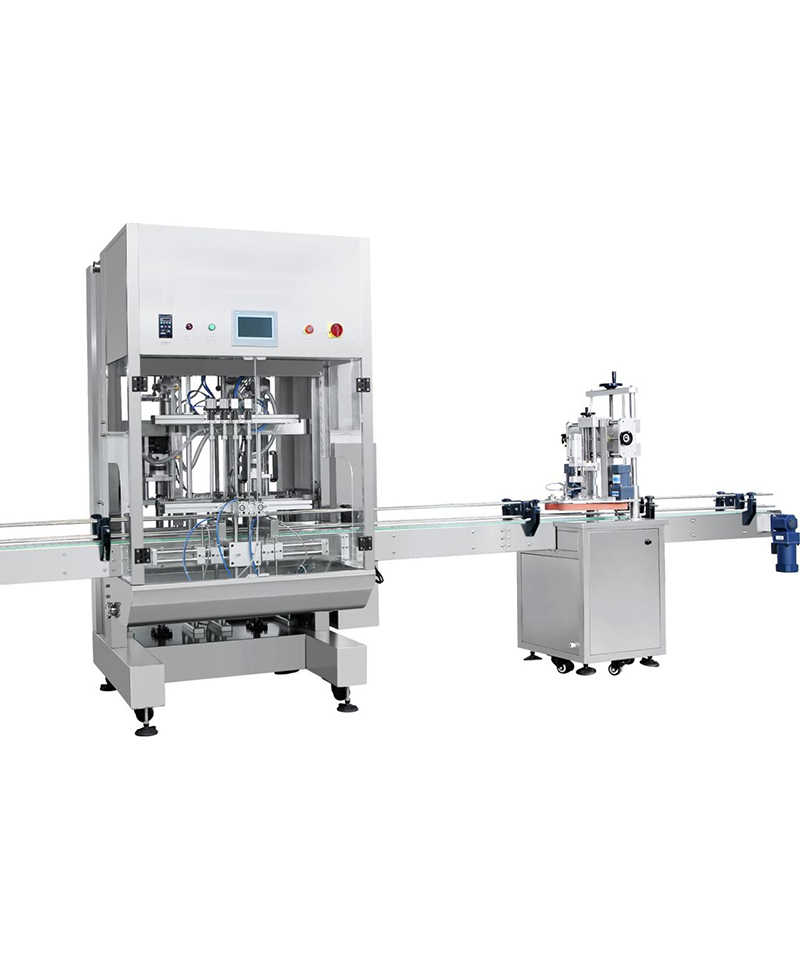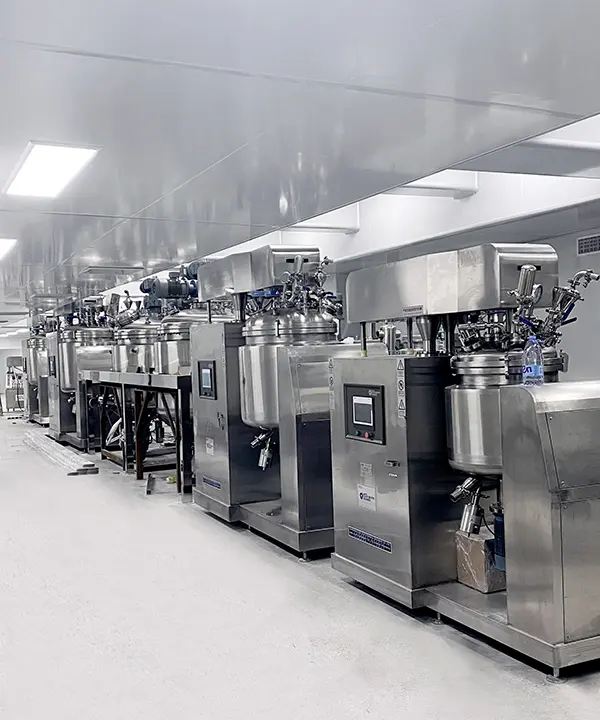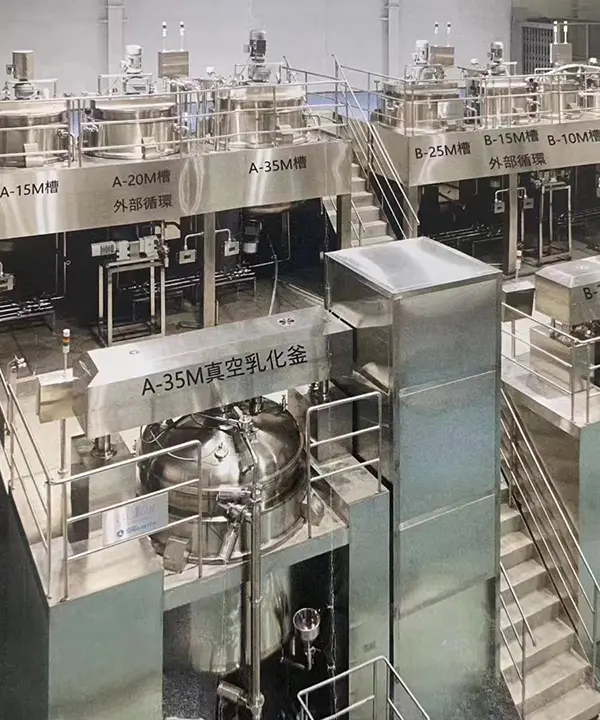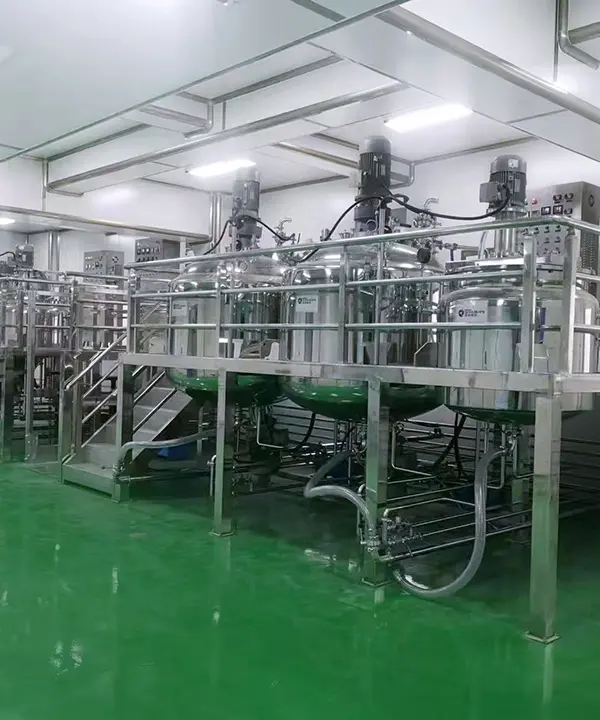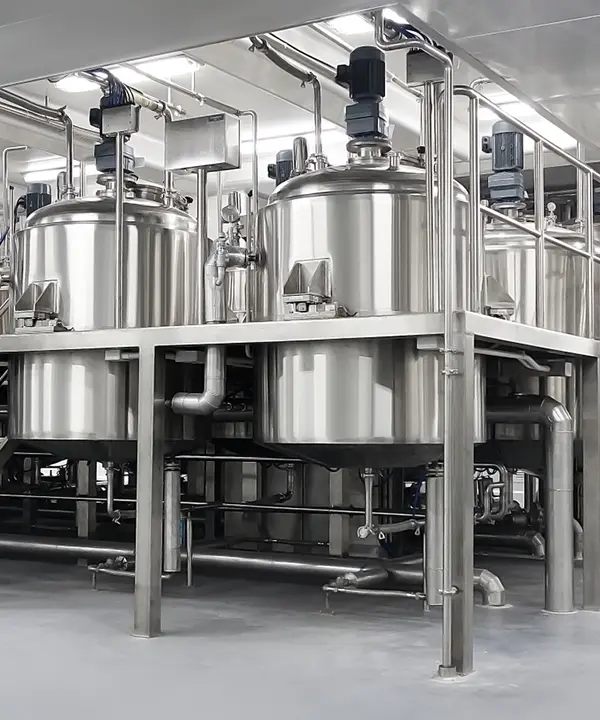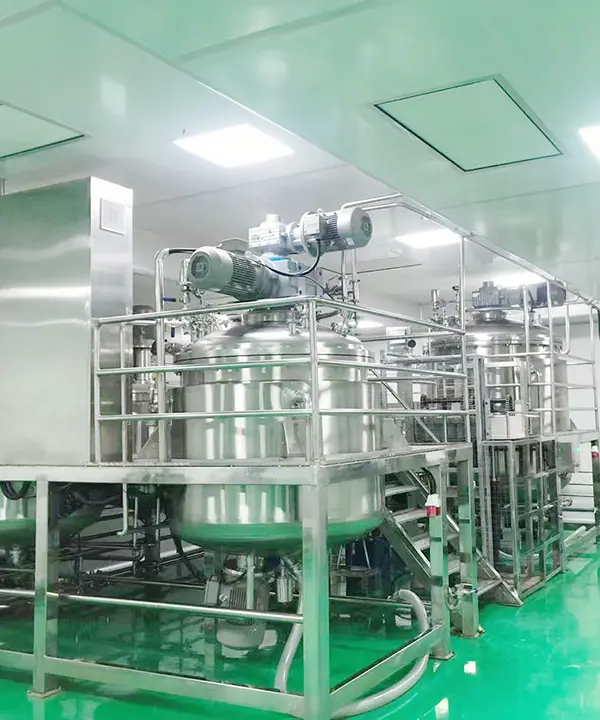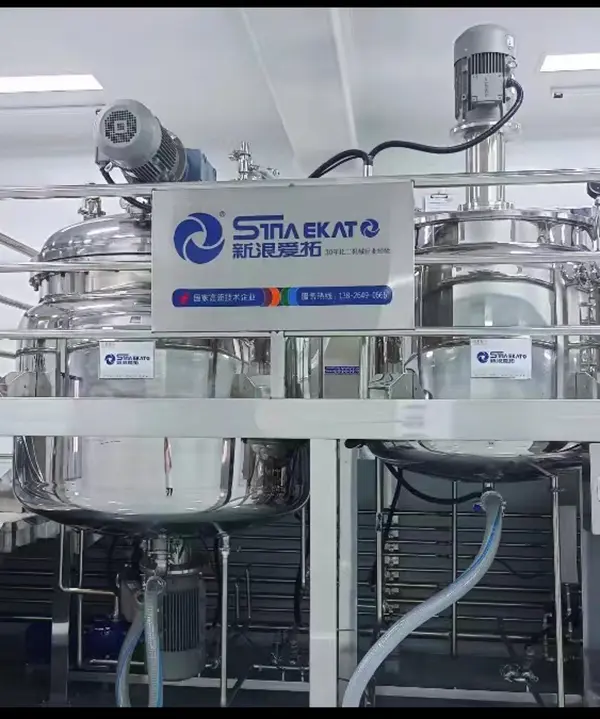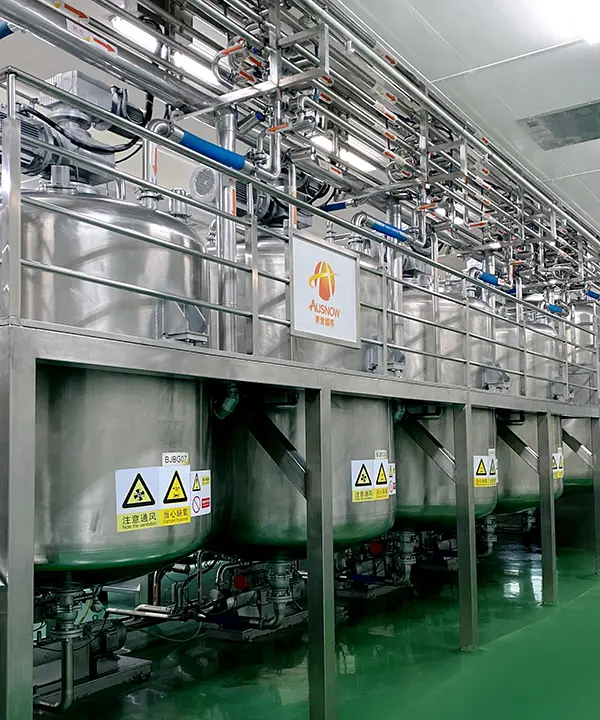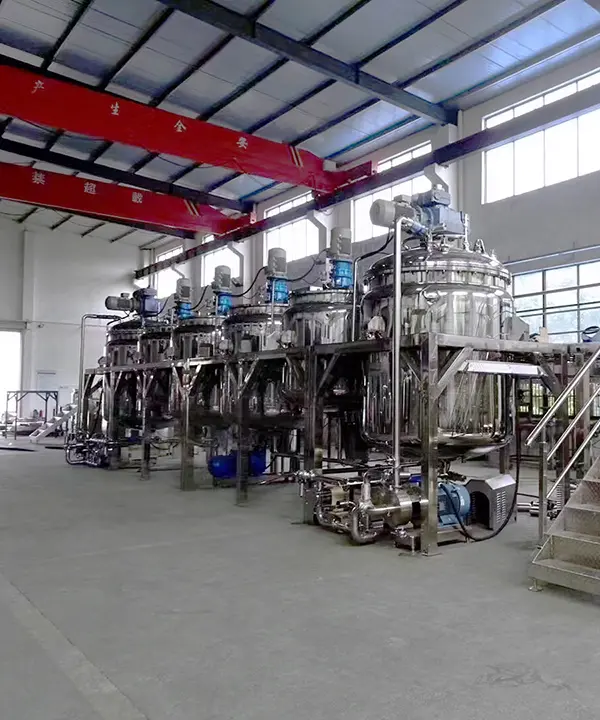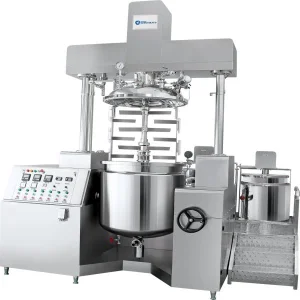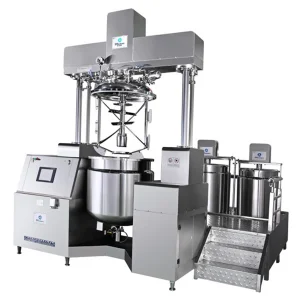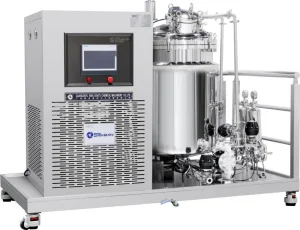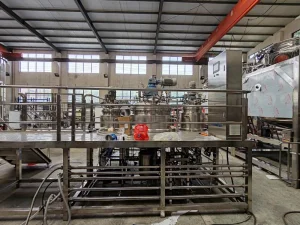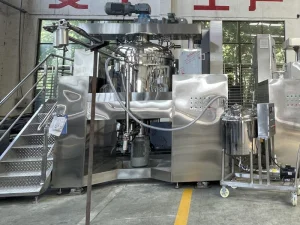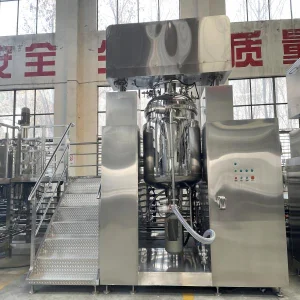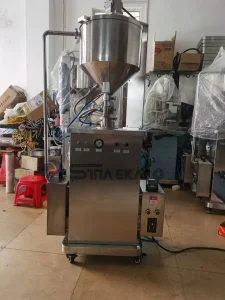
In the modern landscape of cosmetics and pharmaceutical manufacturing, the role of a Vacuum Emulsifier Mixer Manufacturer has transcended beyond simple equipment supply. It is now about providing "Information Gain"—the technical edge that allows a brand to produce superior textures, stable emulsions, and nutrient-dense formulations. As global consumer demand shifts toward "clean beauty" and highly potent pharmaceutical topicals, the precision of homogenization becomes the primary competitive moat for any production facility.
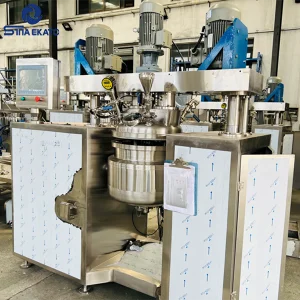
Vacuum emulsification is a sophisticated process where the blending of oil and water phases occurs under a vacuum state. This environment prevents air bubbles from forming within the product, significantly enhancing shelf life and ensuring a smooth, glossy finish that is essential for high-end skincare products. By partnering with an elite manufacturer, global enterprises can leverage advanced fluid dynamics and PLC-controlled systems to achieve repeatable, high-quality results.
Utilizing high-shear rotors and stators (3000-3600 RPM) to reduce droplet size to the sub-micron level, ensuring nano-emulsions that penetrate skin more effectively.
Eliminating micro-bubbles during the mixing process prevents oxidation and bacterial growth, maintaining the integrity of sensitive active ingredients.
Full PLC integration (Siemens/Delta) allows for real-time monitoring of temperature, pressure, and torque, vital for GMP-compliant facilities.
The global market for vacuum emulsifier mixers is witnessing a CAGR of over 6% annually. This growth is driven by the rapid expansion of the personal care sector in the Asia-Pacific region and the increasing stringency of FDA and EMA regulations in the West. Industry leaders are no longer looking for "just a mixer"; they are searching for modular, scalable systems that can handle diverse formulations—from thick ointments to light lotions—within the same equipment framework.
China has solidified its position as the global hub for Vacuum Emulsifier Mixer Manufacturers due to a unique convergence of factors. First is the Supply Chain Density: In manufacturing hubs like Guangzhou and Shanghai, every component—from SUS316L stainless steel to precision sensors—is sourced locally, reducing lead times and costs. Second is the Rapid Iteration: Chinese engineers adapt to global feedback faster than traditional European counterparts, integrating features like bidirectional mixing and hydraulic lifting as standard offerings rather than expensive add-ons.
Efficiency in China isn't just about labor; it's about Production Throughput. A typical custom project that might take 6 months in the EU is completed in 45-60 days in China, with rigorous FAT (Factory Acceptance Testing) and CE/ISO certifications ensuring no compromise on quality. This "China Speed" combined with world-class engineering offers global buyers a significantly higher ROI.
Years Experience
Global Partners
Engineers
Quality Assay
Installations
Vacuum emulsifiers are the workhorses of multiple industries, each with specific requirements:
The industry is moving toward Industry 4.0. This means machines are now equipped with IoT sensors for predictive maintenance, allowing manufacturers to foresee a motor failure before it happens. Additionally, there is a massive shift toward Sustainability: Energy-efficient heating jackets and water-saving CIP (Clean-In-Place) systems are becoming mandatory for global enterprises committed to carbon neutrality.