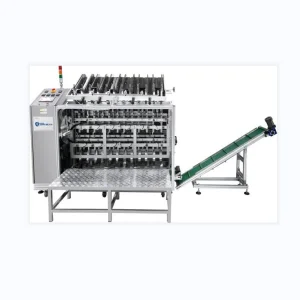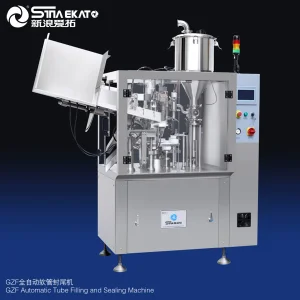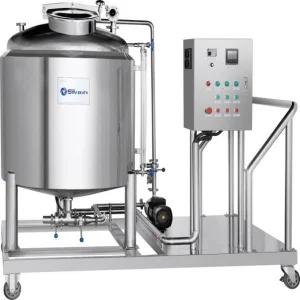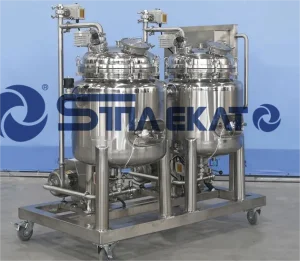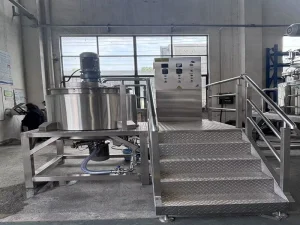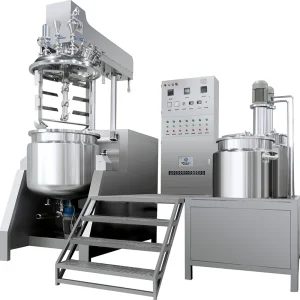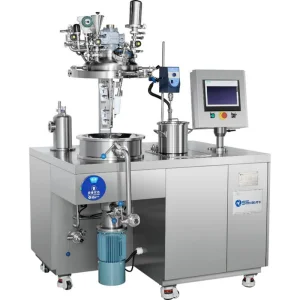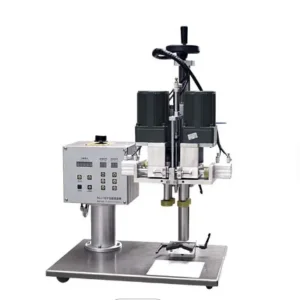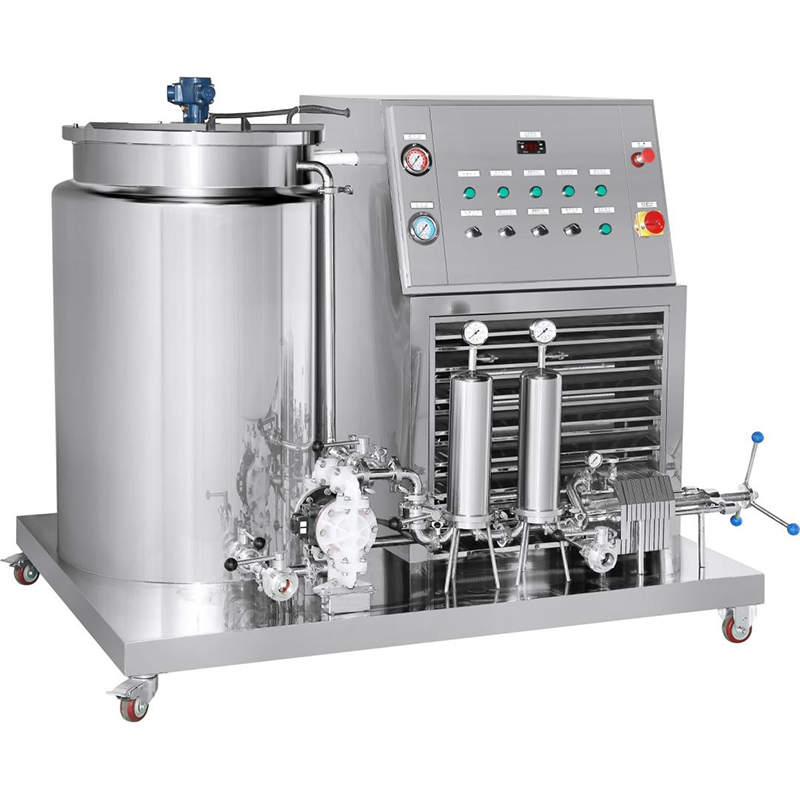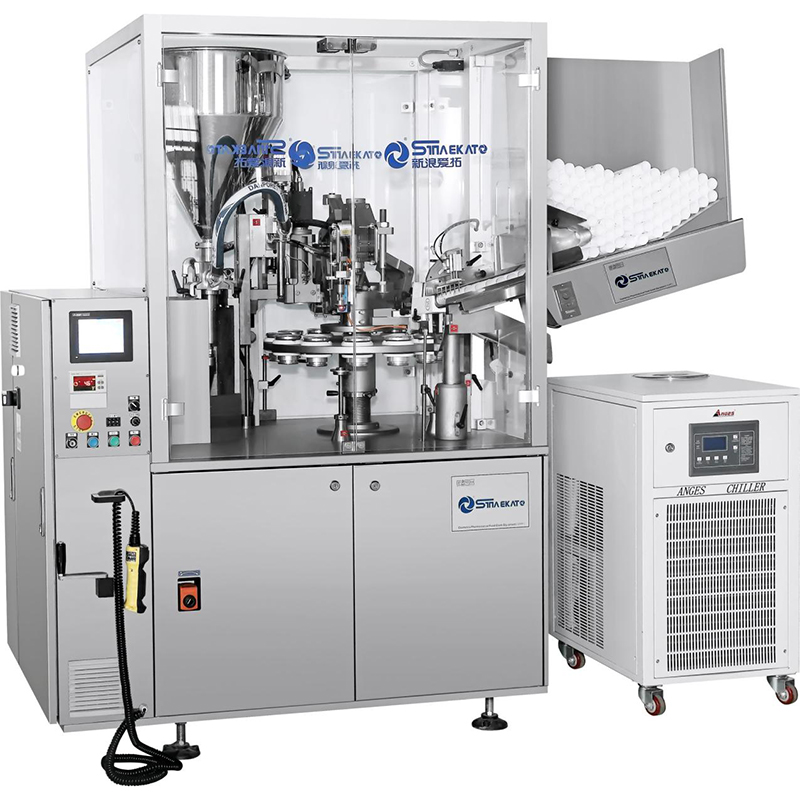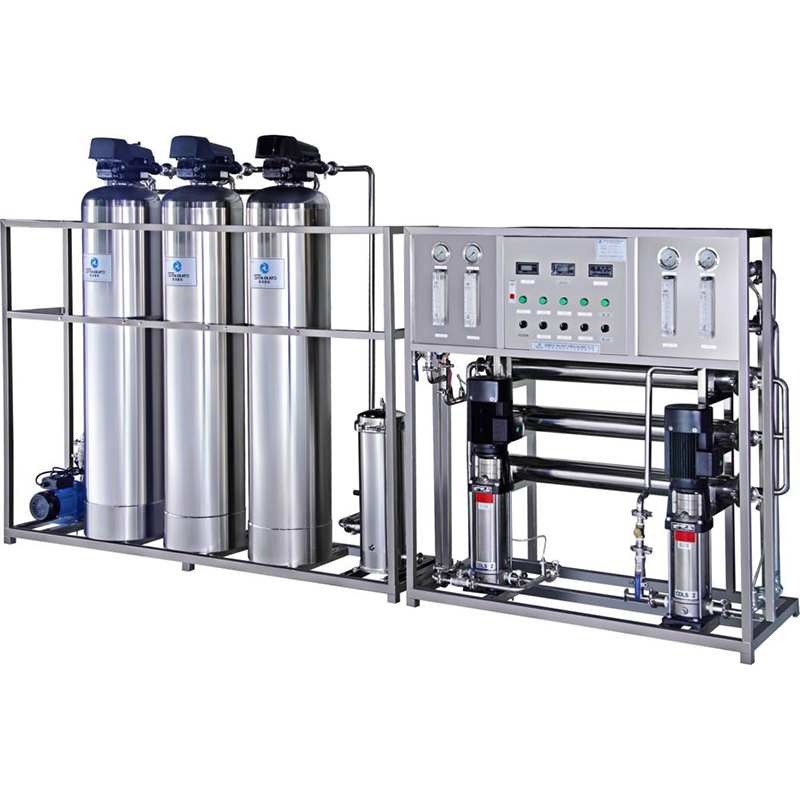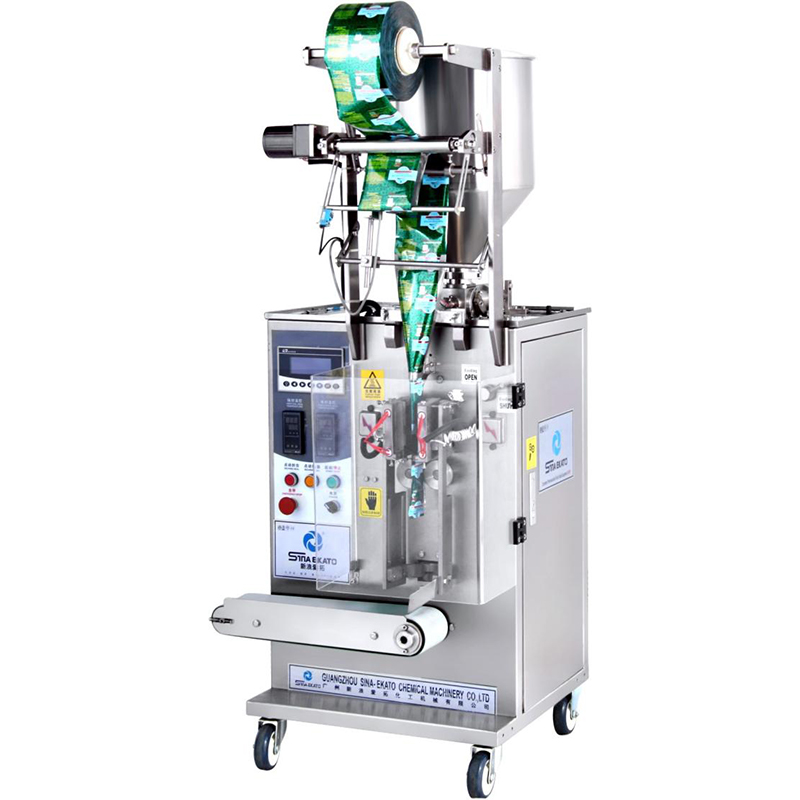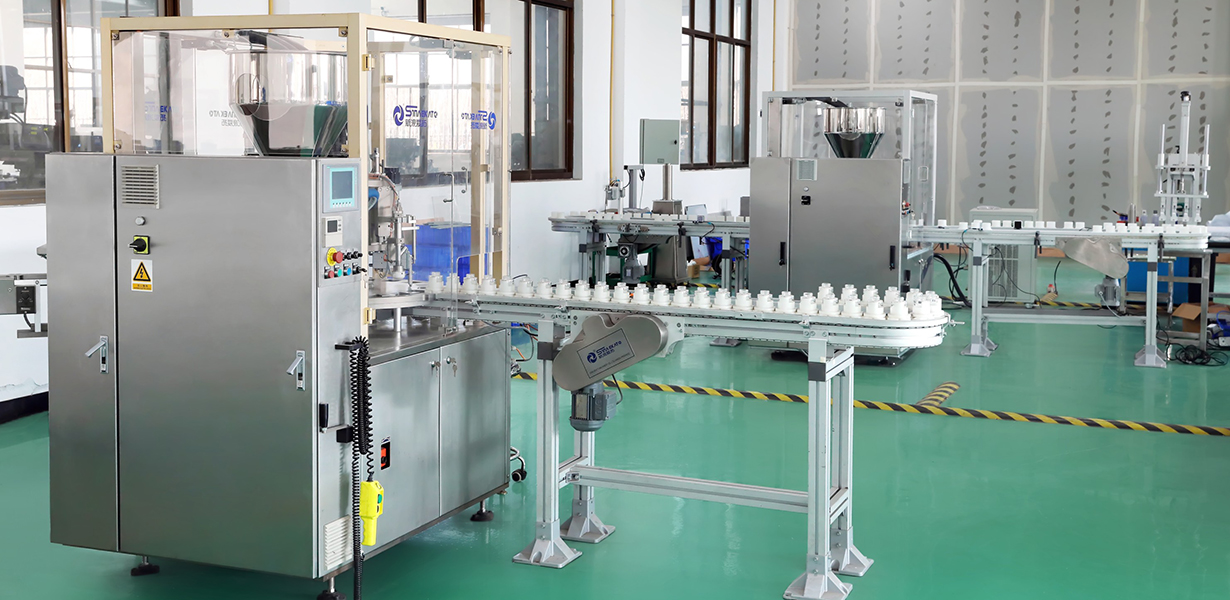
Advanced mixing, filling, cleaning, and thermal processing equipment designed for modern sanitary factories.
In the modern fast-moving consumer goods (FMCG) and cosmetics sectors, the scalability and stability of shampoo manufacturing processes are paramount. A successful system setup must balance intense surfactant dispersion, active ingredient thermal sensitivity, and strict sanitation rules. As a leading manufacturer of shampoo production line mixing equipment, we specialize in sanitary process engineering that matches global performance standards (GMP, CE, ISO9001, ASME, and FDA).
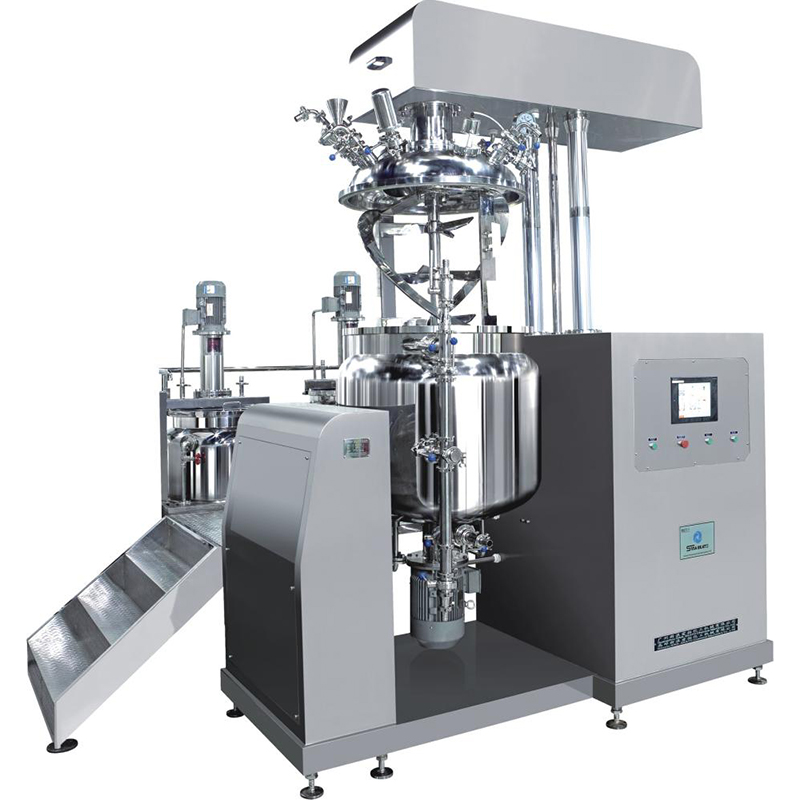
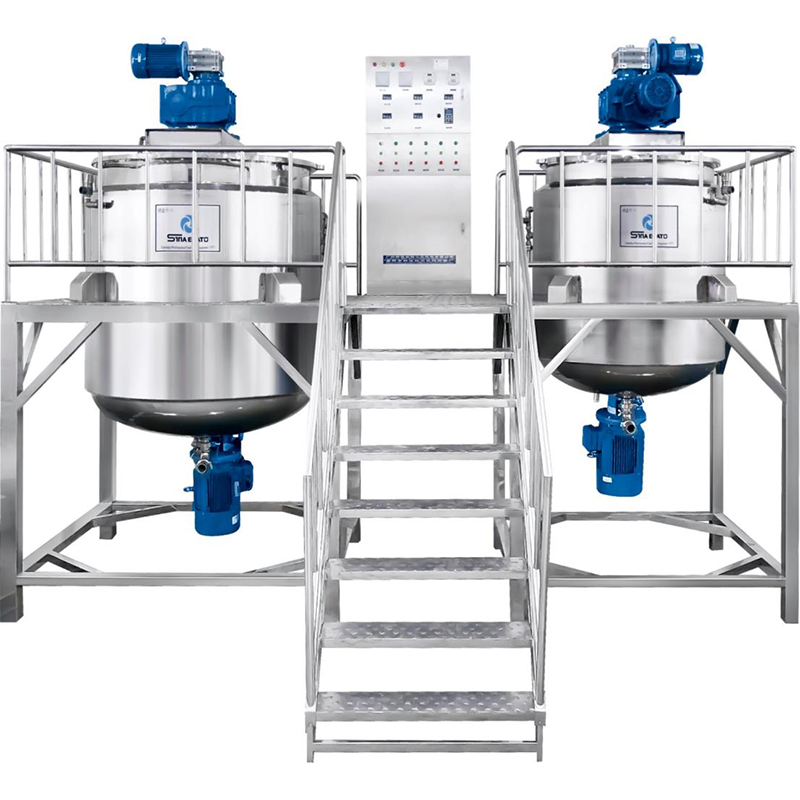
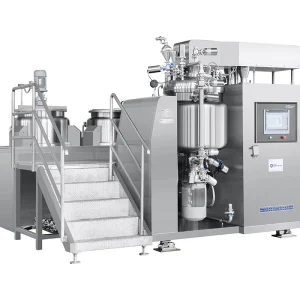
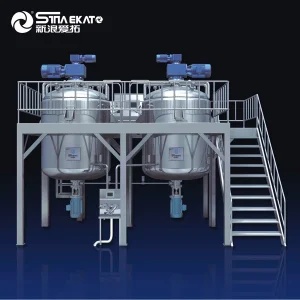
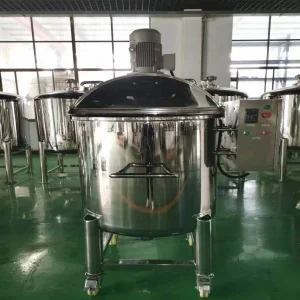
Shampoos and body washes are complex viscoelastic products. Dispersing anionic surfactants (such as Sodium Lauryl Ether Sulfate - SLES) into water requires high shear force to avoid lump formation, while also keeping air entrainment to a minimum to prevent micro-foaming. Our state-of-the-art mixing vessels use triple-action paddle agitation systems paired with bottom-mounted or inline high-shear homogenizers.
The main scrapers, made of premium PTFE (Teflon), constantly wipe the tank wall to prevent scorching or cold-spot buildup during heating and cooling cycles. Concurrently, counter-rotating paddle structures induce dynamic macro-flow patterns, optimizing overall batch homogeneity and reducing process cycles by up to 40% compared to standard batch mixers.
"Optimizing viscosity modification and emulsification stability relies on the precise shear rate of the homogenizer. Our bottom-rotor systems operate at variable speeds from 0 to 3000 RPM, producing a stable particle dispersion under 2.5 microns."
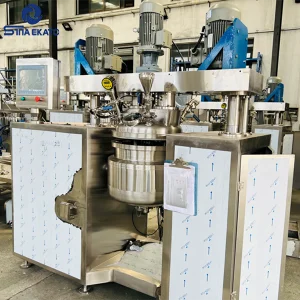
Entrained air bubbles in thick liquids are difficult to remove once the shampoo is cooled. Using negative pressure (vacuum degassing) during the mixing phase is a proven way to eliminate micro-bubbles. Our vacuum emulsifying mixers use continuous, self-venting vacuum systems that maintain a stable internal pressure of -0.09 MPa. This design keeps the raw materials free from oxidation, increases shelf life, and ensures the finished liquid has a smooth, glossy finish.
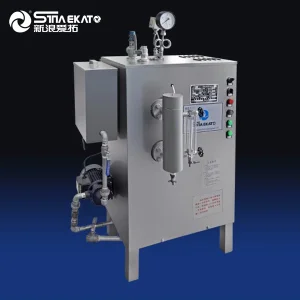
Furthermore, precise jacketed temperature control—utilizing pressurized steam or chilled water—allows operators to carefully control surfactant dissolution temperatures and safely introduce heat-sensitive conditioning agents, proteins, and fragrances at lower temperatures without degrading the active ingredients.
China's daily chemical machinery sector has evolved from basic assembly to high-precision engineering. SINA EKATO stands at the forefront of this industrial shift. Operating from centralized production hubs in Guangdong and Jiangsu, our factories combine raw steel supply chains with advanced CNC fabrication to offer highly reliable systems at competitive prices.
Purchasing capital equipment across borders requires navigating strict regulatory frameworks. Our systems are built to comply with CE, ASME Section VIII (pressure vessels), and FDA sanitary designs. We assist global procurement managers through detailed factory testing, packaging, and shipping stages:
Factory Acceptance Testing (FAT): Before shipment, each machine undergoes dynamic trial runs with raw testing material. We generate complete physical inspection sheets, weld maps, motor performance profiles, and surface roughness records to simplify customer validation.
Built for continuous operation, low maintenance costs, and easy line integration.
Tailored system layouts built in 3D CAD to match your facility's ceiling heights, utility lines, and structural floor loads.
Strict raw material tracking, certified SUS316L testing, and hydro-testing of jackets to guarantee safety under pressure.
On-site installation assistance, startup calibration, and training for local operators to ensure a smooth transition to production.
Connecting regional sales hubs and professional manufacturing centers.
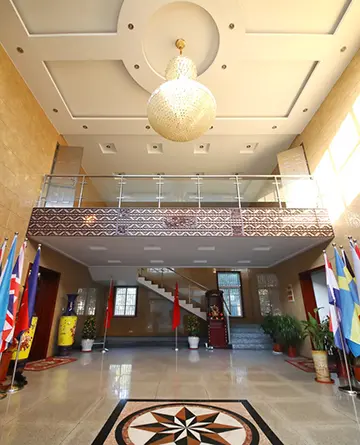
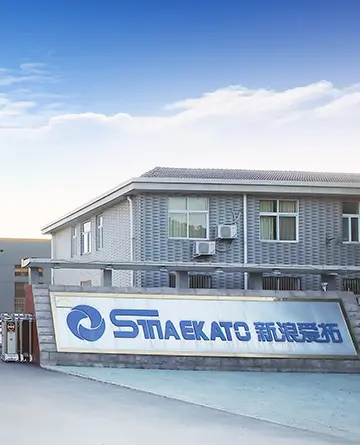
Integrated R&D center, mechanical assembly shops, and pressure testing labs located in China's industrial zone.
Handles international trade, global logistics coordination, and financial settlements.
Dedicated sales engineers and technical support technicians assisting customers in Southern China.
Certified Solutions: Patent Certificates / CE Compliance / ISO9001 Systems / Stainless Steel 316L Material Trackability
We support clients from initial conceptual layouts to final equipment startup, helping you build a highly efficient manufacturing facility.
Our engineered solutions operational in cosmetics and chemical facilities worldwide.
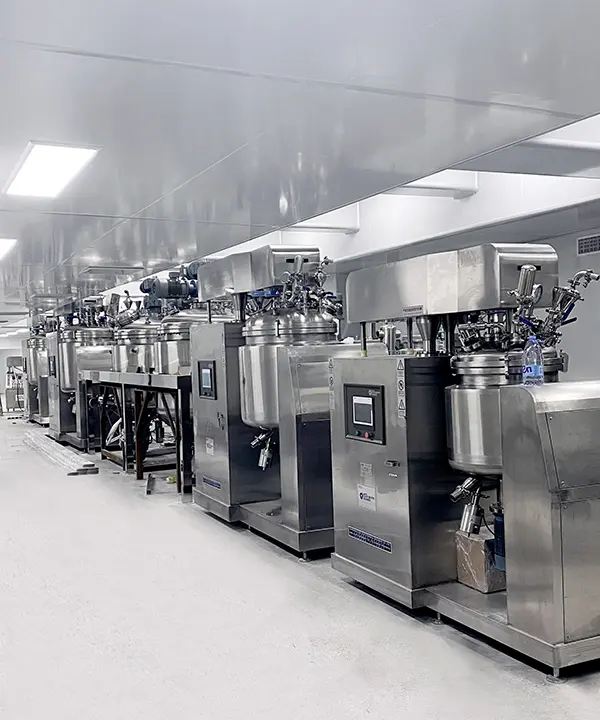
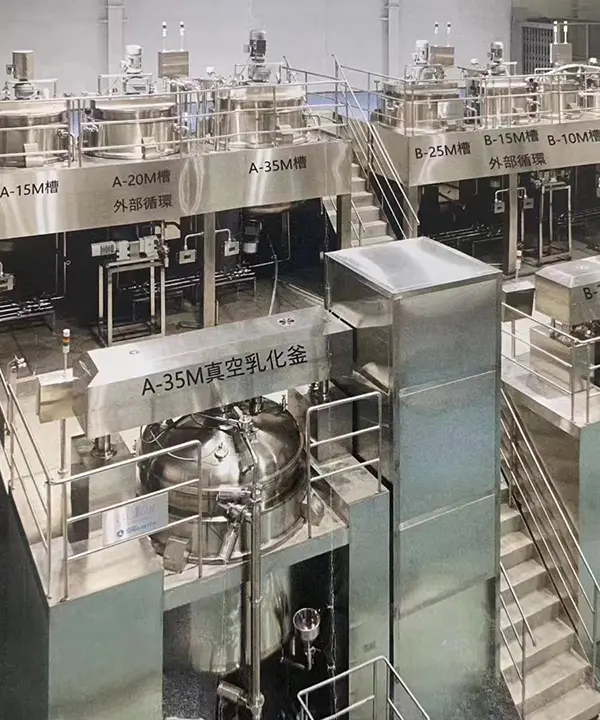
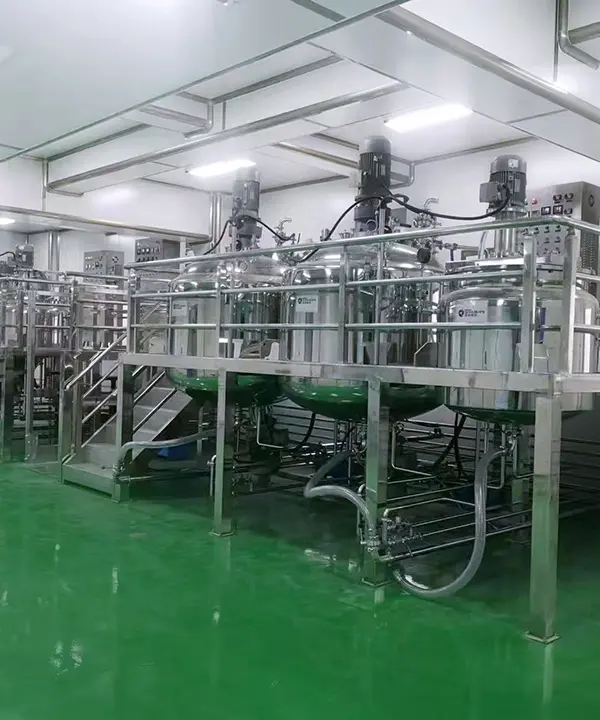
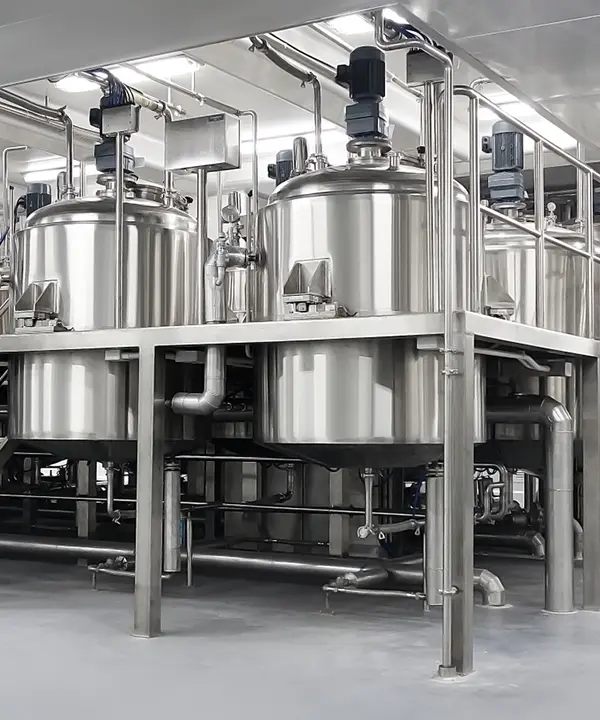
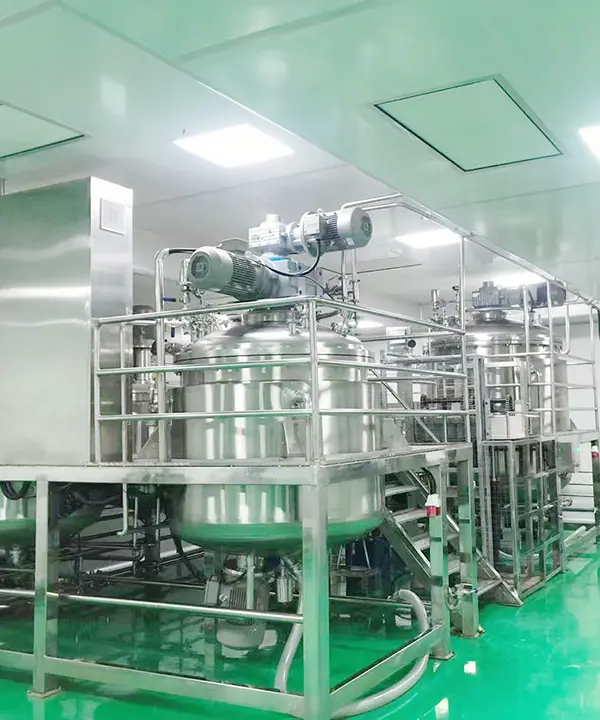
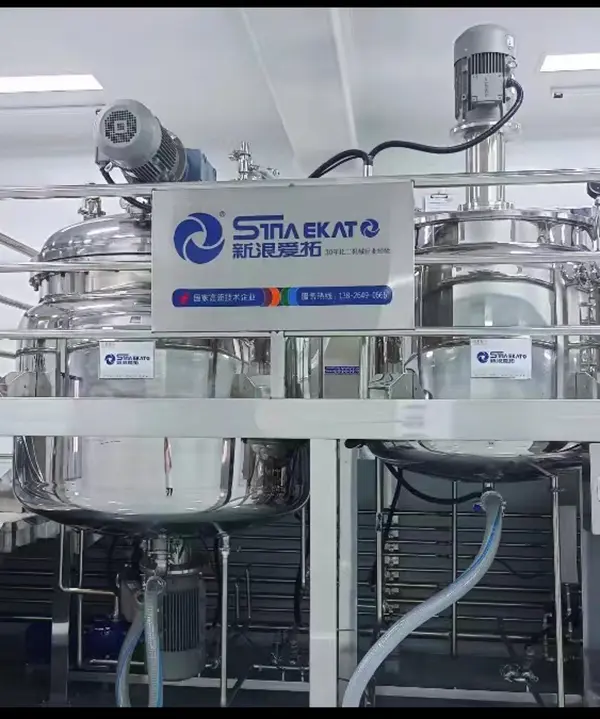
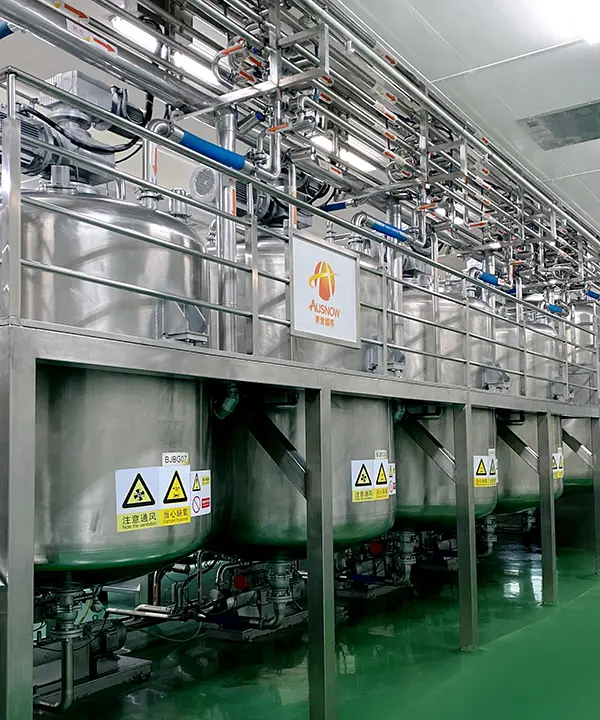
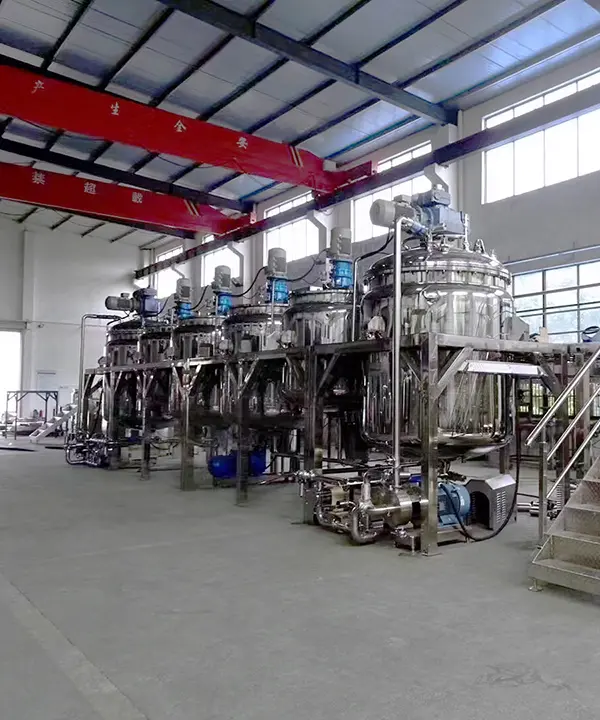
Partnering with global brands to set high industry standards.




























Stay updated with our manufacturing milestones, product innovations, and global exhibition announcements.
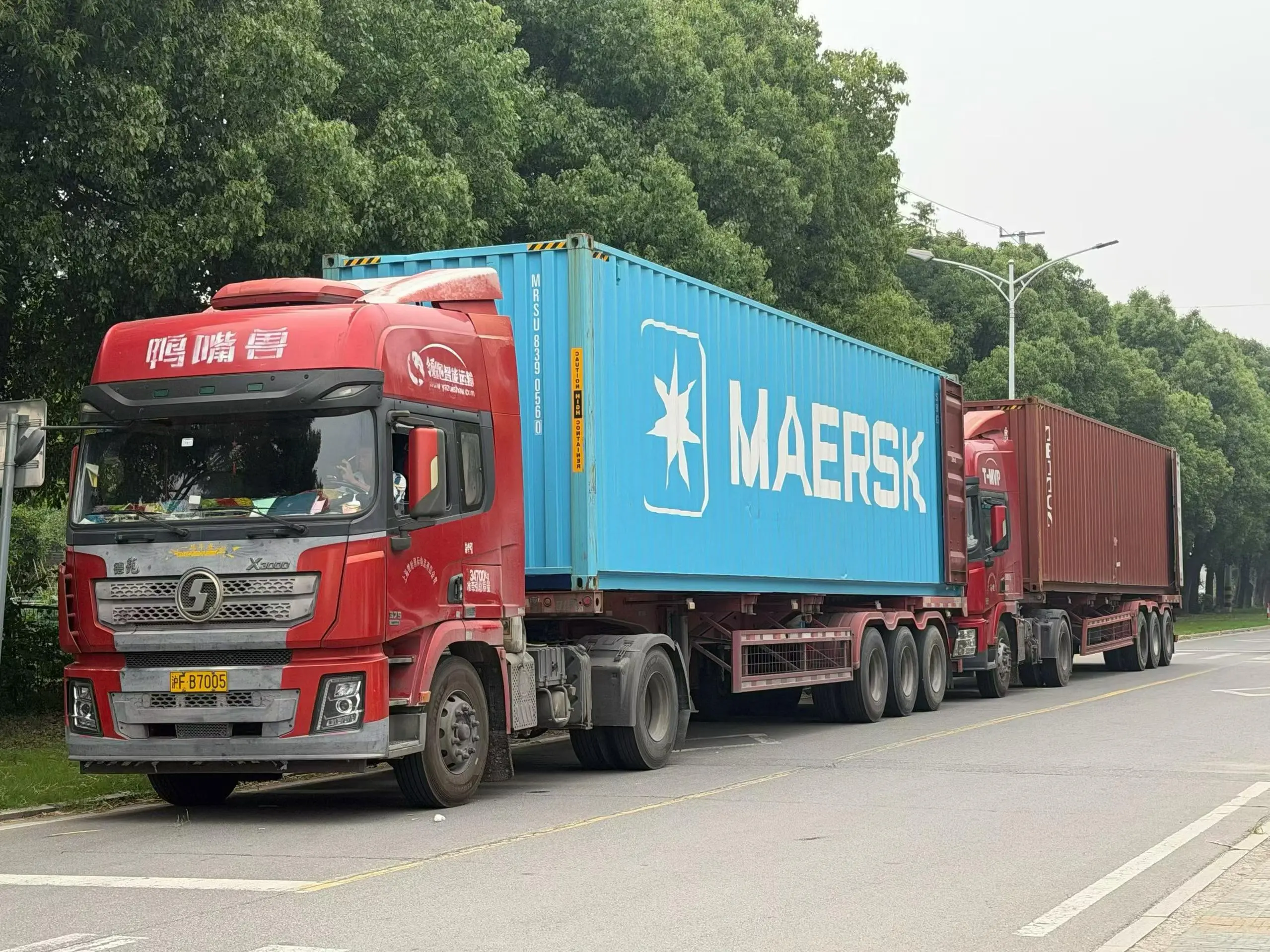
SINAEKATO dispatches eight full containers of customized chemical processing machinery to our Nigerian partners, marking a major delivery milestone.
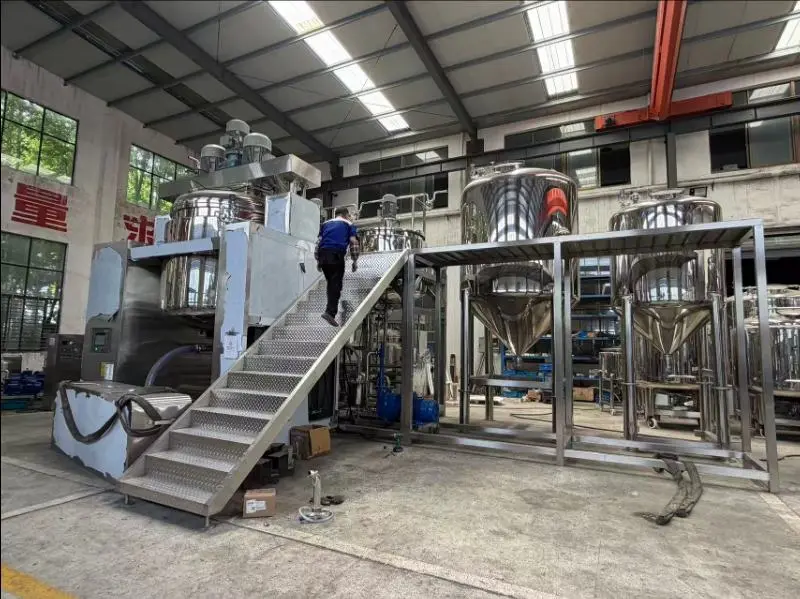
With decades of manufacturing experience, SinaEkato specializes in designing, producing, and customizing processing machinery for the global beauty industry.
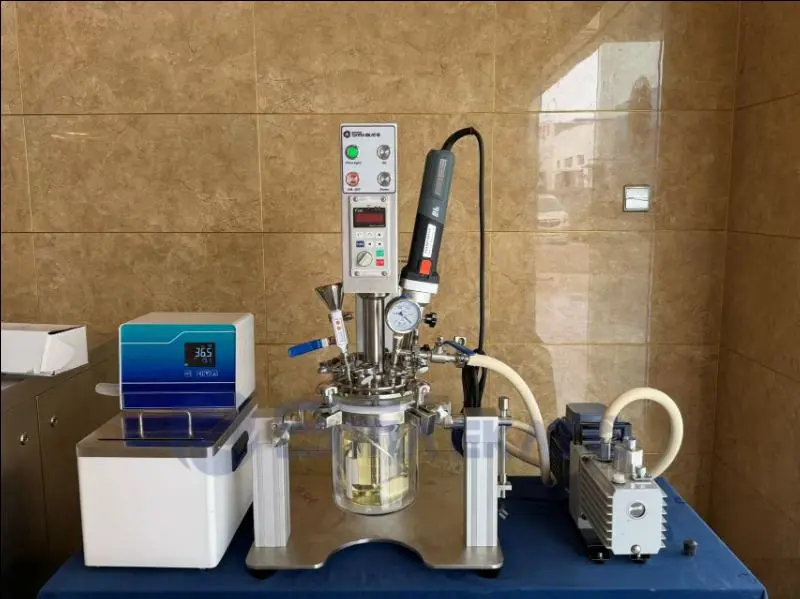
A high-precision mixing system engineered for laboratory tests and small-batch development of personal care creams and emulsions.
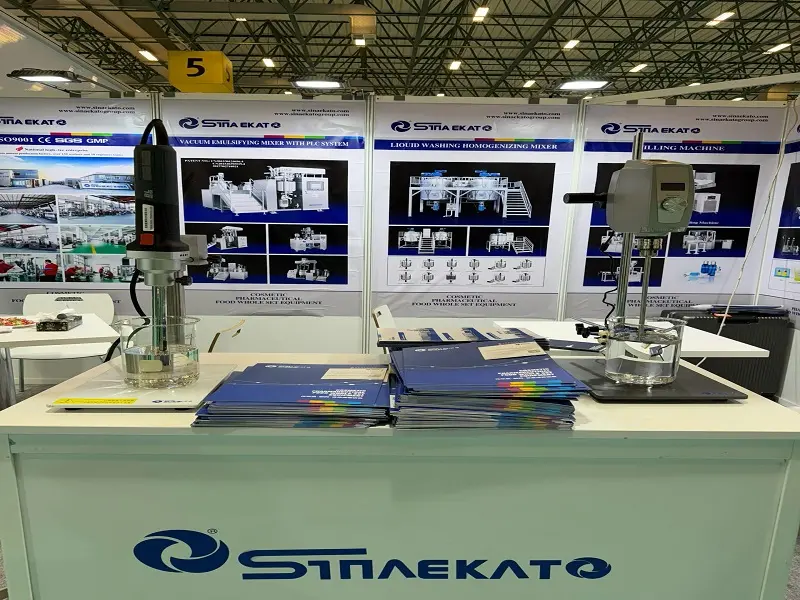
Showcasing our latest laboratory-scale emulsification equipment at Booth 5E 310, featuring live machinery demonstrations.
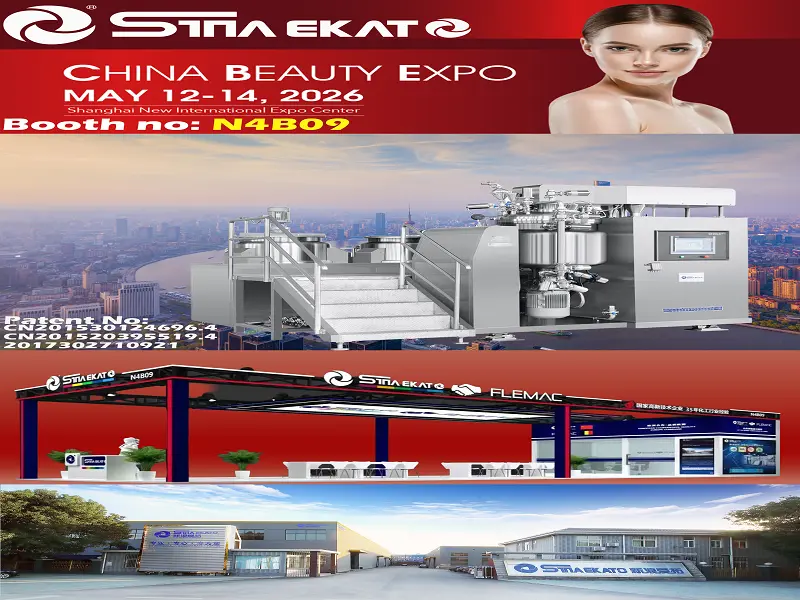
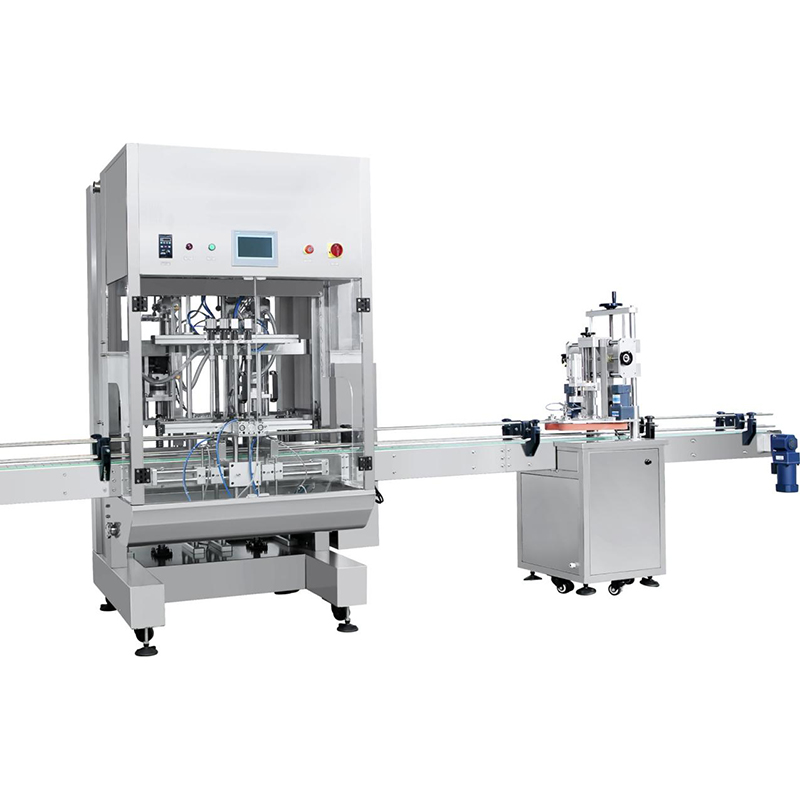
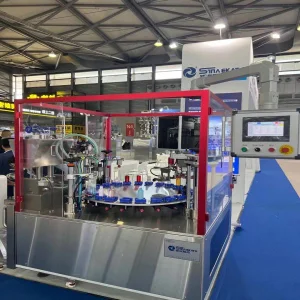
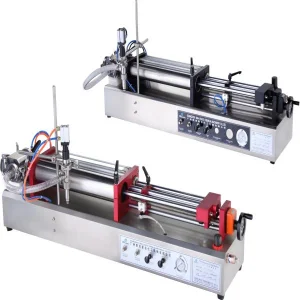
Introducing our latest cosmetic manufacturing solutions, dynamic vacuum emulsifiers, and automated liquid filling lines at the Expo.
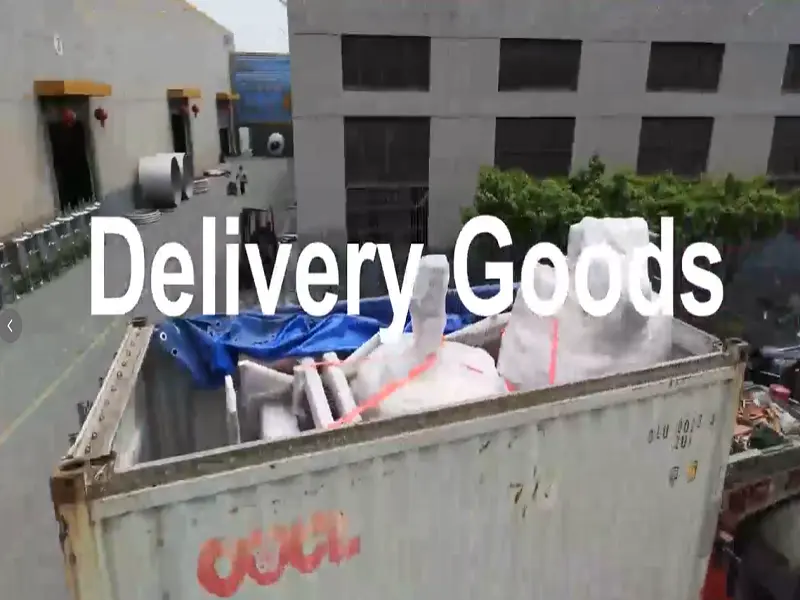
From final factory testing to secure container loading, we follow strict quality checks to ensure your equipment arrives ready for production.
Detailed technical answers about equipment selection, maintenance, and process optimization.
Speak directly with our engineering team to design, customize, or optimize your next production line.
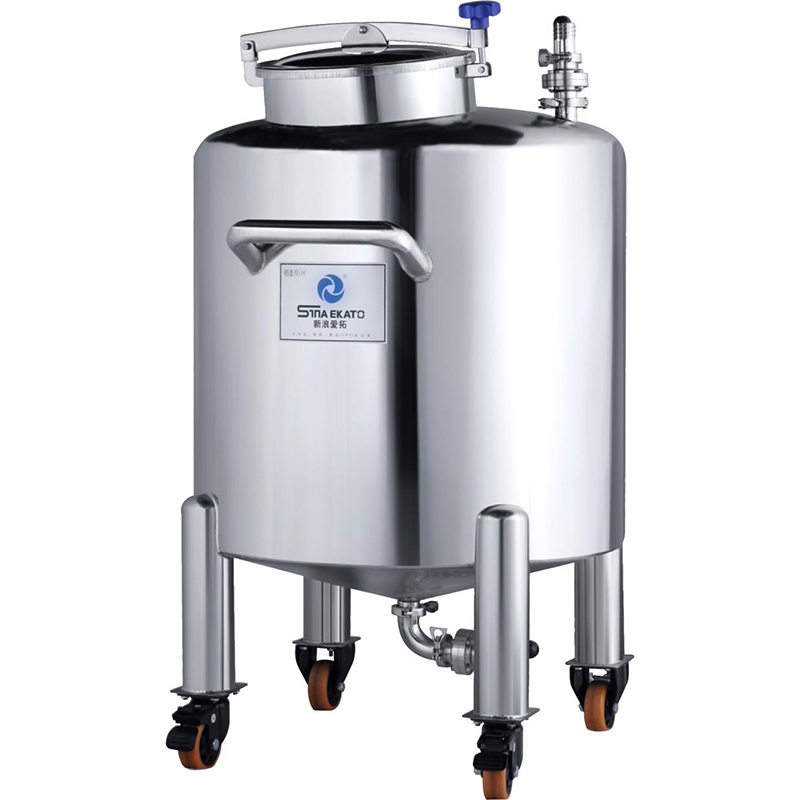
Submit Project DetailsComplete your processing line with our storage, filling, and packaging solutions.