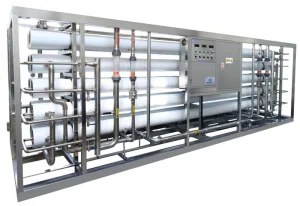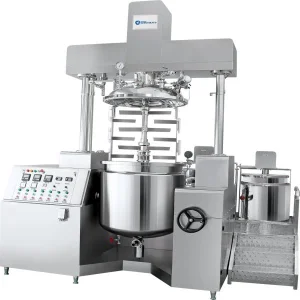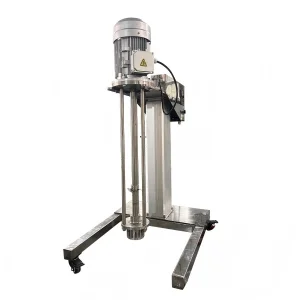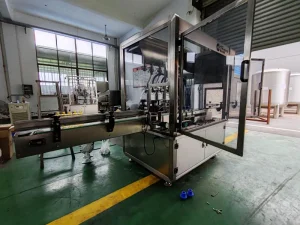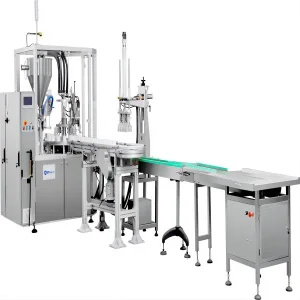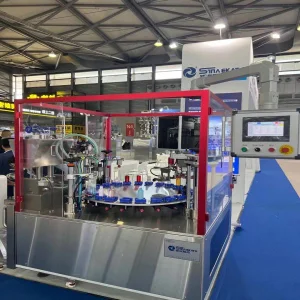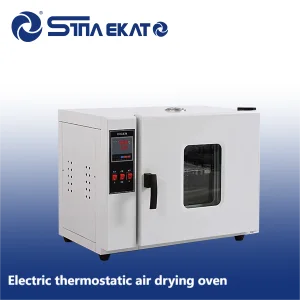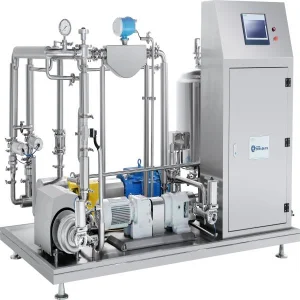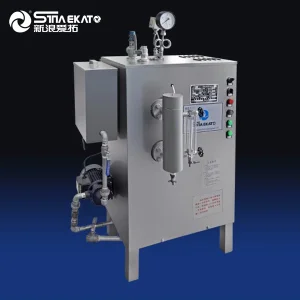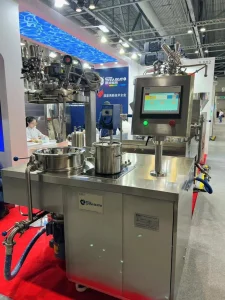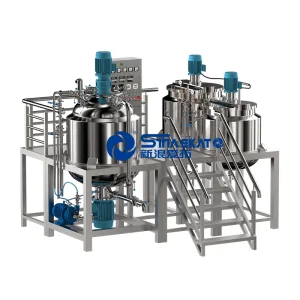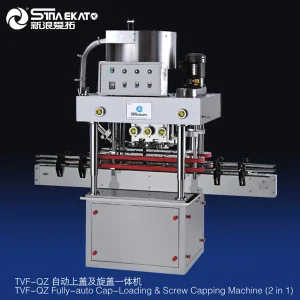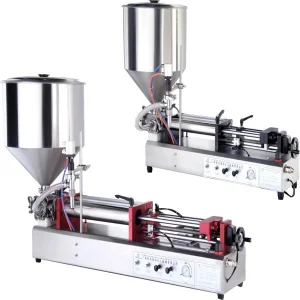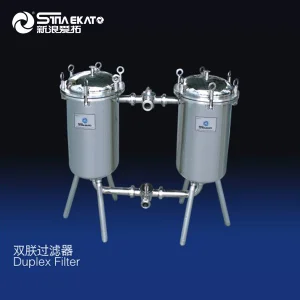
In the contemporary industrial landscape, High-Quality Chemicals Feeding Equipment serves as the central nervous system of any successful industrial sewage treatment project. As global environmental regulations tighten, the demand for precision, automation, and reliability in chemical dosing has shifted from a luxury to a mandatory operational standard. Industry 4.0 has ushered in a new era where chemical feeding is no longer just about moving liquids; it is about intelligent data-driven dosing that optimizes resource consumption while ensuring 100% compliance with effluent discharge limits.
Global procurement teams are increasingly focusing on the Total Cost of Ownership (TCO) rather than just the initial capital expenditure. This involves evaluating energy efficiency, ease of maintenance, and the availability of smart diagnostic tools that prevent unplanned downtime in critical sewage treatment plants (STPs).
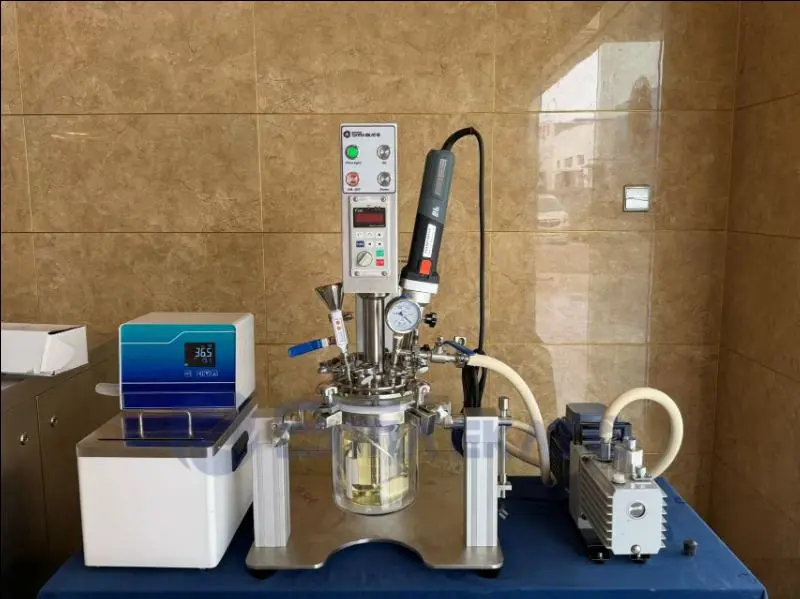
China has transformed from a high-volume manufacturing hub into a leader in Industry 4.0 Intelligent Manufacturing. For industrial sewage treatment projects, this means that Chinese suppliers like SINAEKATO are now providing equipment that integrates advanced metallurgy (Stainless Steel 316L), high-precision German-engineered sensors, and proprietary IoT control interfaces.
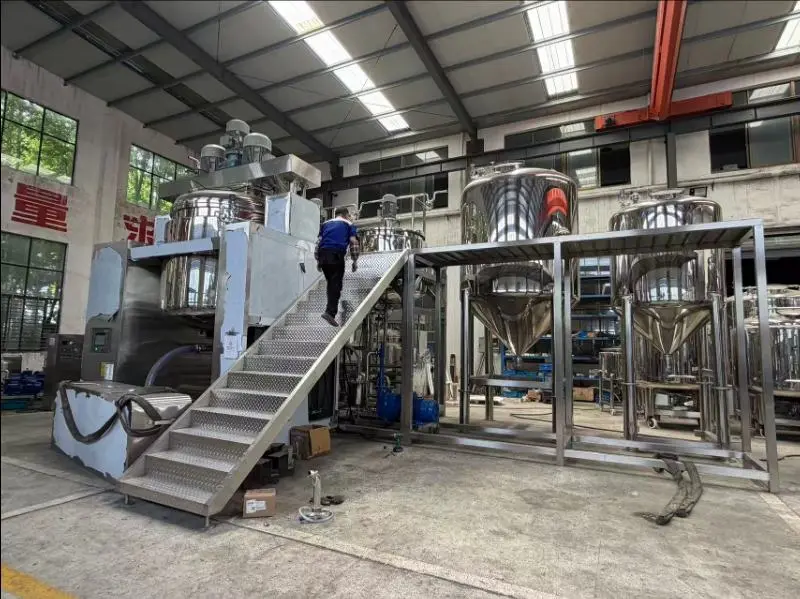
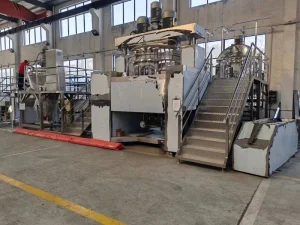
Our factory utilizes automated welding robots and 5-axis CNC machining to ensure that every chemical feeding tank and mixing reactor meets the highest structural integrity standards. This supply chain resilience ensures that even during global logistical disruptions, our integrated production model—from raw material sourcing to final FAT (Factory Acceptance Testing)—remains robust and reliable.
Custom-engineered solutions tailored to the specific chemical properties of your wastewater stream.
Adherence to ISO9001 and CE certifications ensures long-term operational stability in corrosive environments.
Optimized mixing and dosing accuracy to maximize chemical reaction efficiency and minimize sludge production.
Worldwide installation assistance and 24/7 technical support to ensure your project never stops.
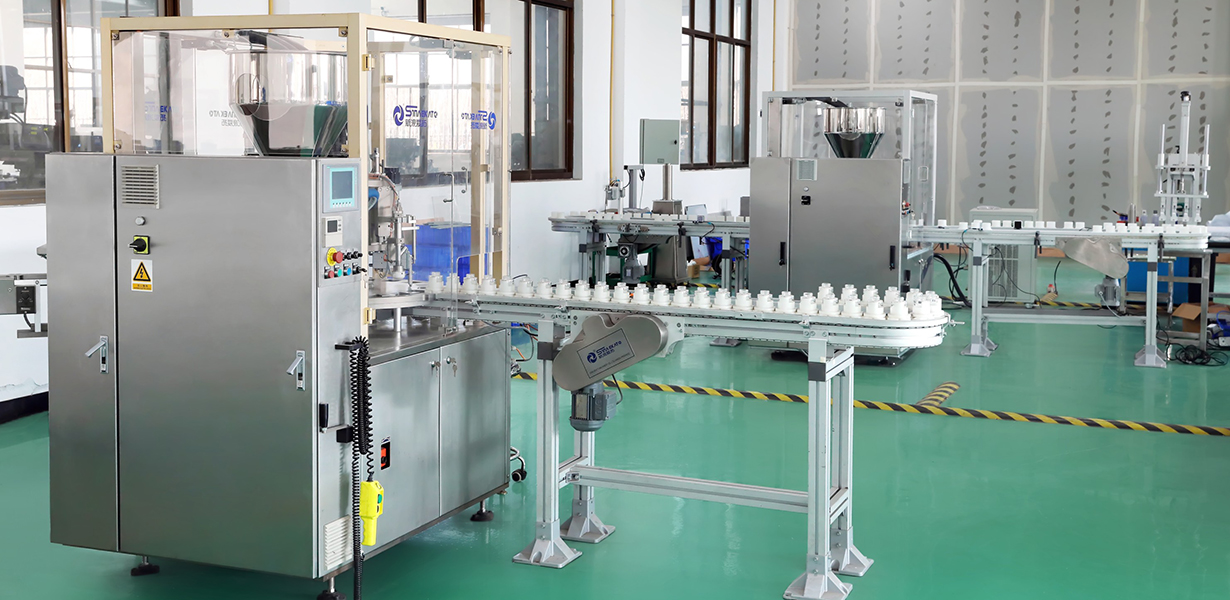
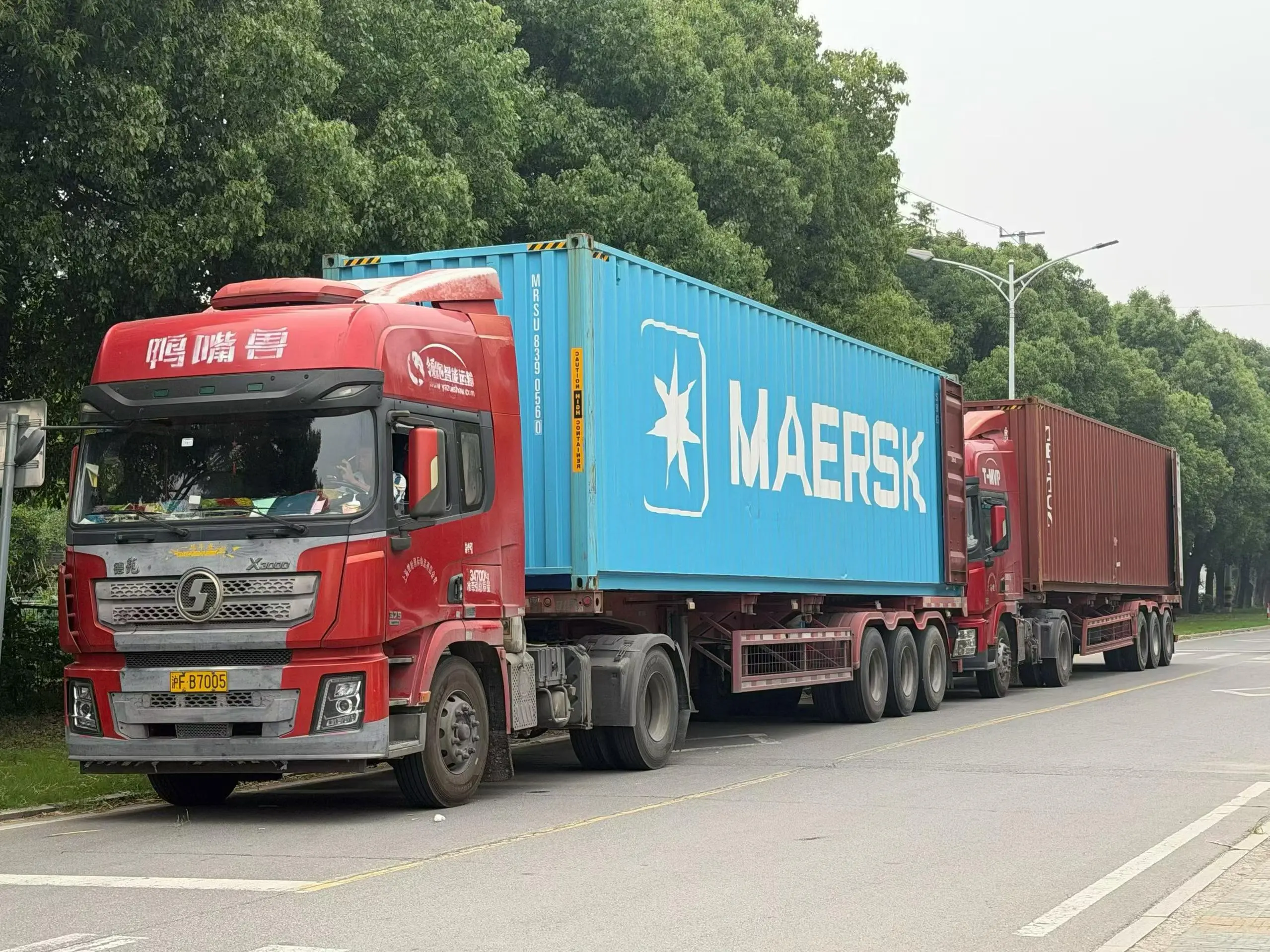
① Mutual Communication (On-site visit if needed) → ② Professional Design → ③ Technical Confirmation → ④ Sign PI & Contract → ⑤ Production – Cutting & Welding & Installation → ⑥ Testing Video & FAT In Factory → ⑦ Export Wooden Packing → ⑧ Shipping by Sea or Air → ⑨ Installation Assistance.
Precise feeding systems for neutralization and decontamination of antibiotic-rich wastewater, requiring high-grade 316L stainless steel and sanitary fittings.
Heavy-duty dosing skids designed for oil-water separation and the handling of volatile chemicals in hazardous environments.
High-volume flocculation and disinfection systems focused on energy efficiency and integration with existing SCADA networks.
Contact our professional engineering team for a customized chemical feeding solution that meets global standards and improves your operational efficiency.
SUBMIT INQUIRY NOW