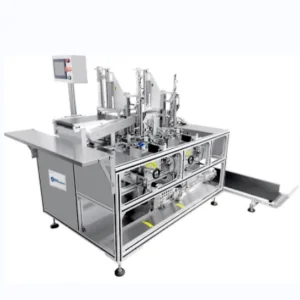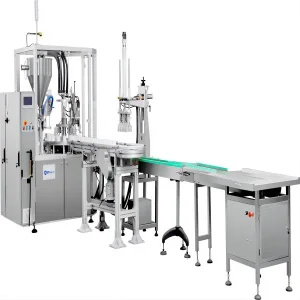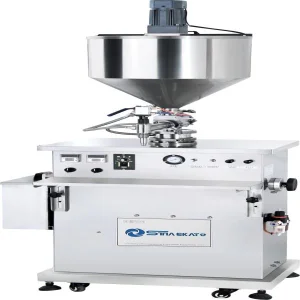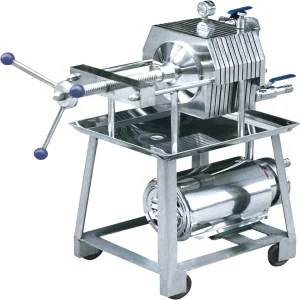
1. Kuala Lumpur’s Industrial Landscape: The Epicenter of SE Asian Smart Manufacturing
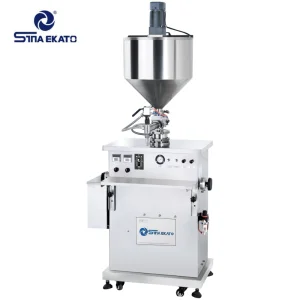
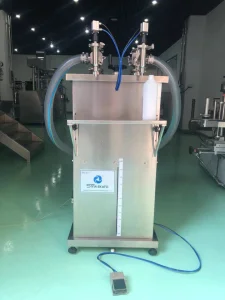
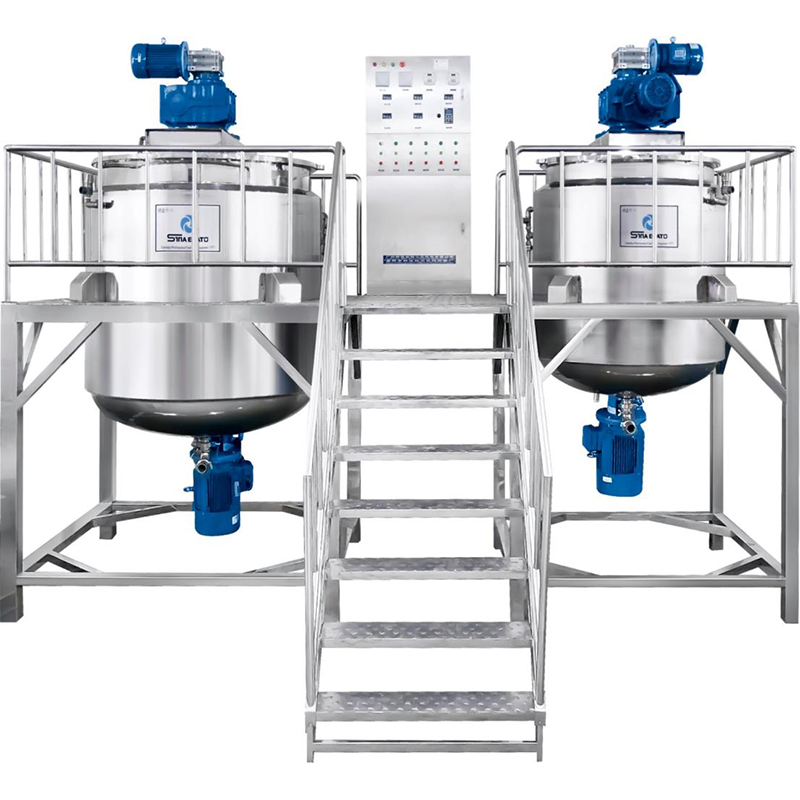
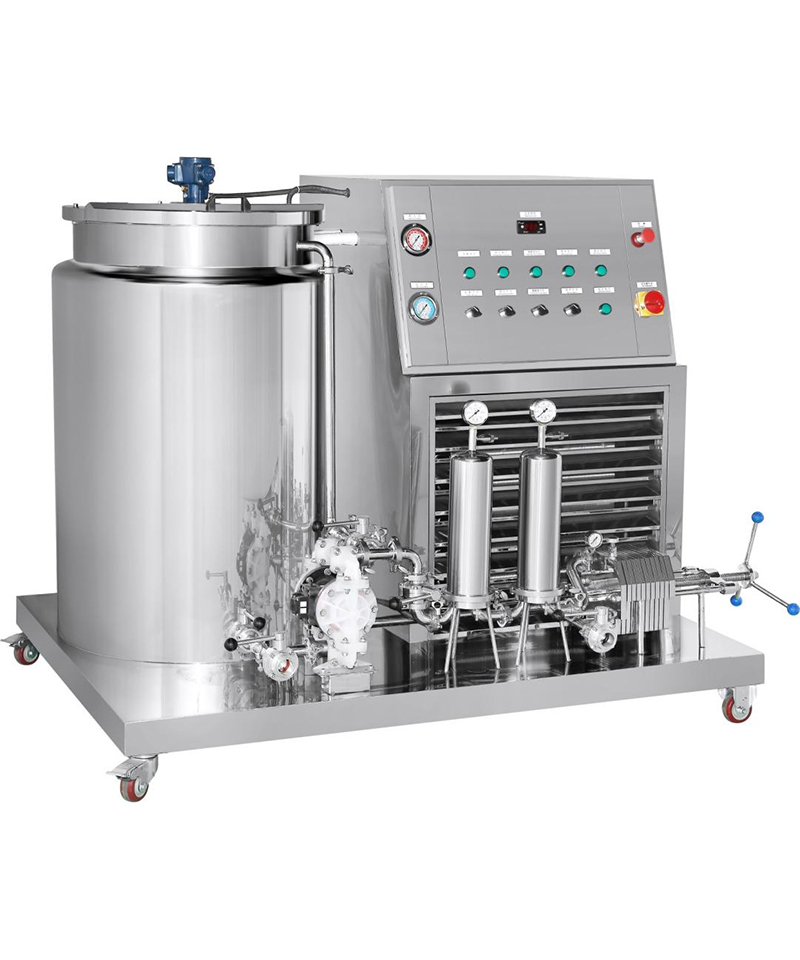
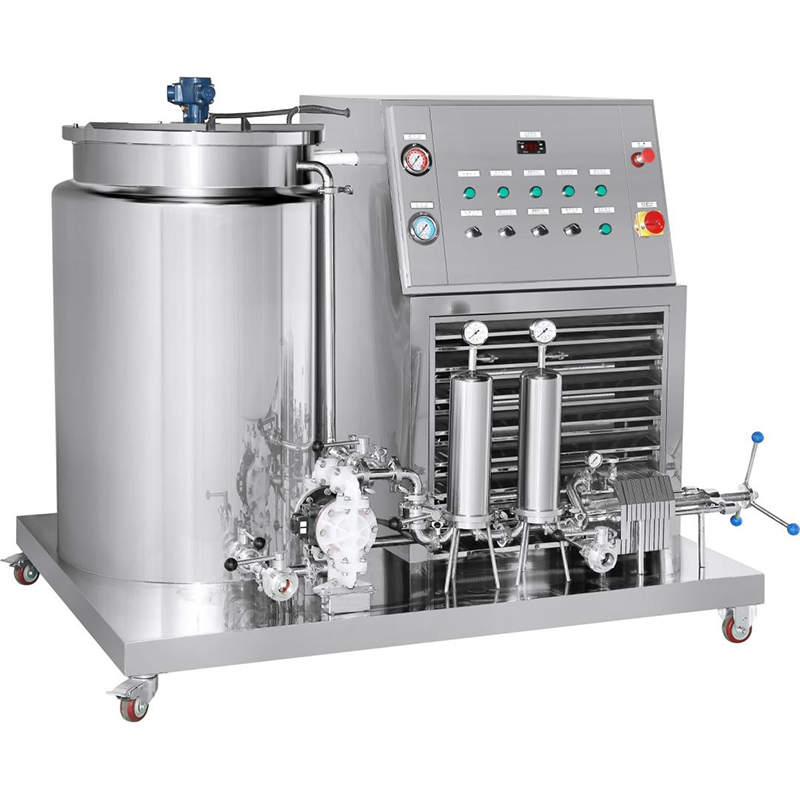
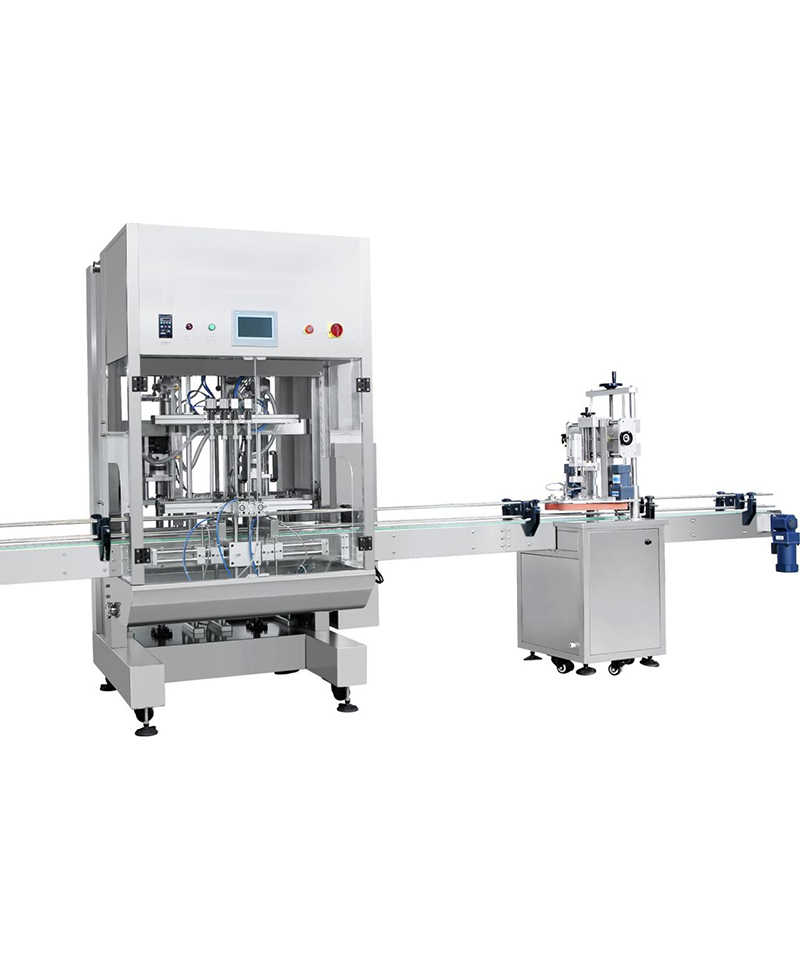
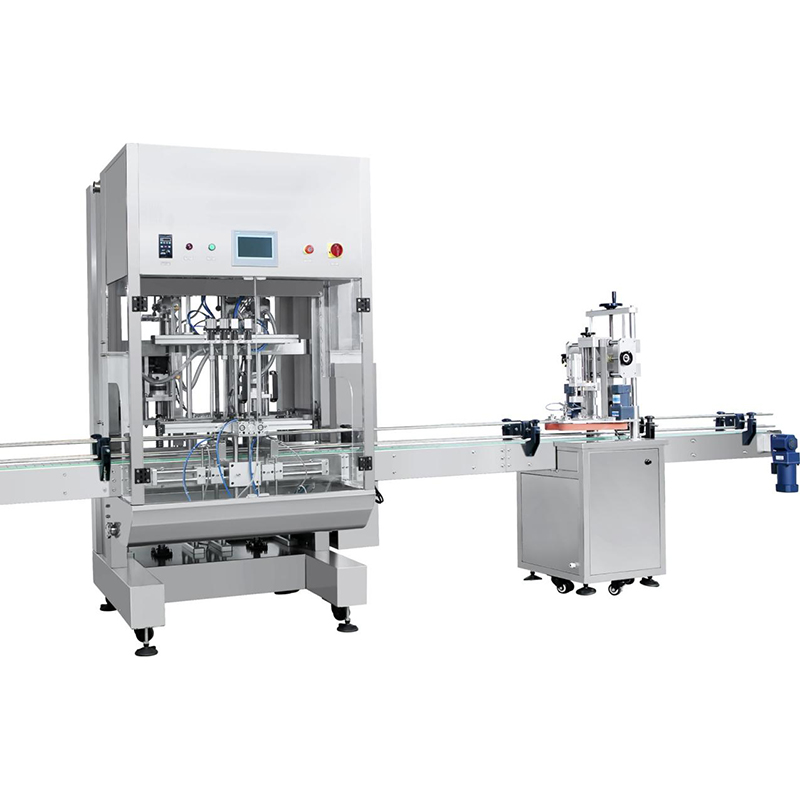
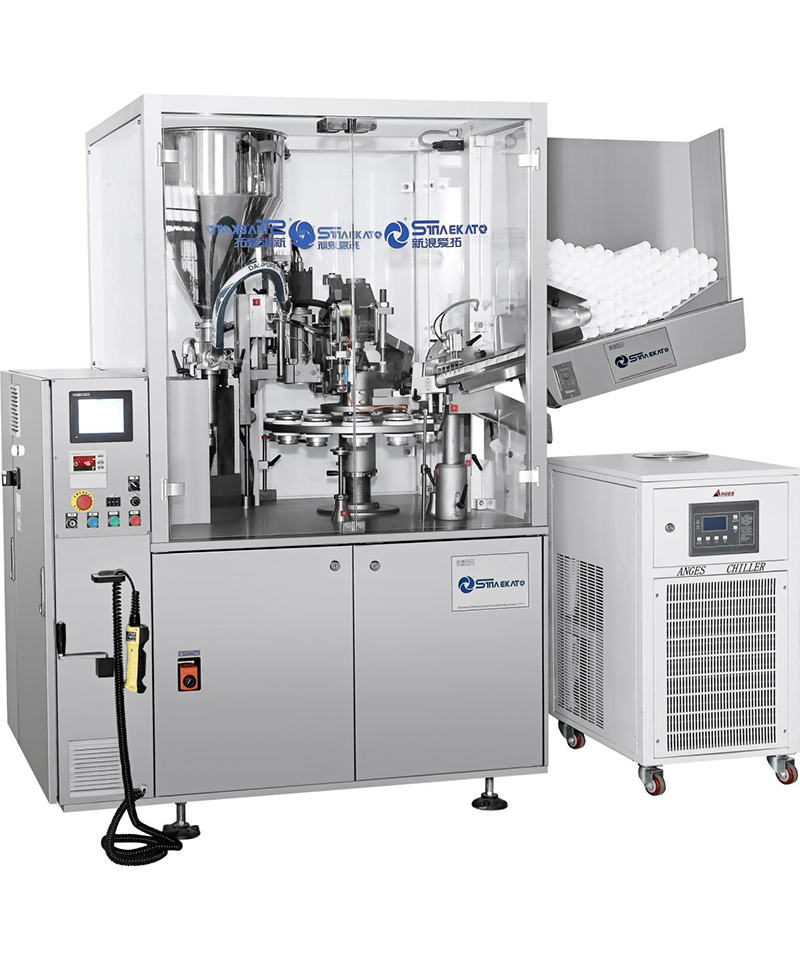
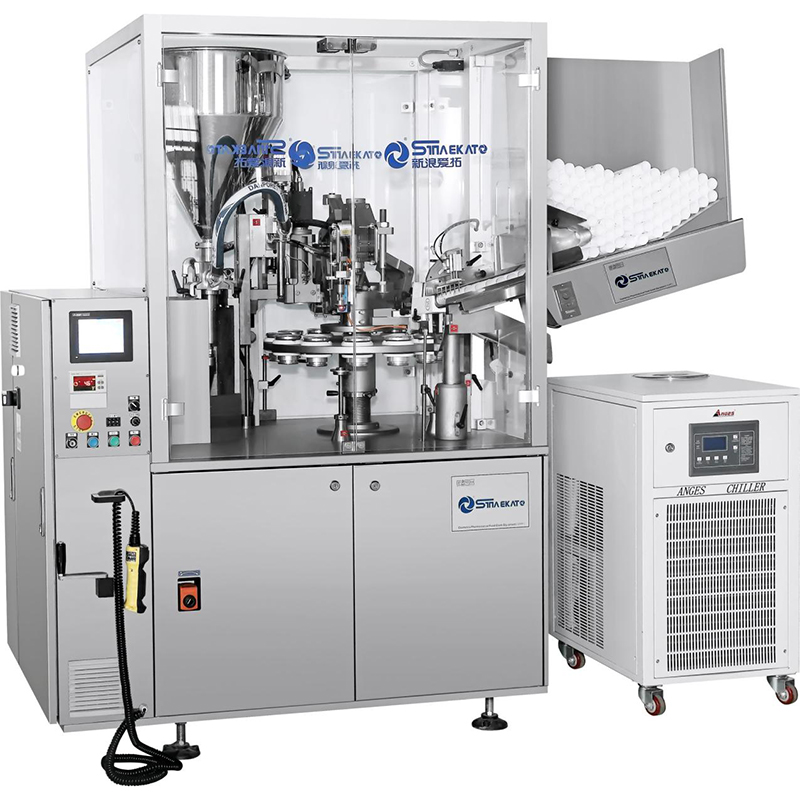
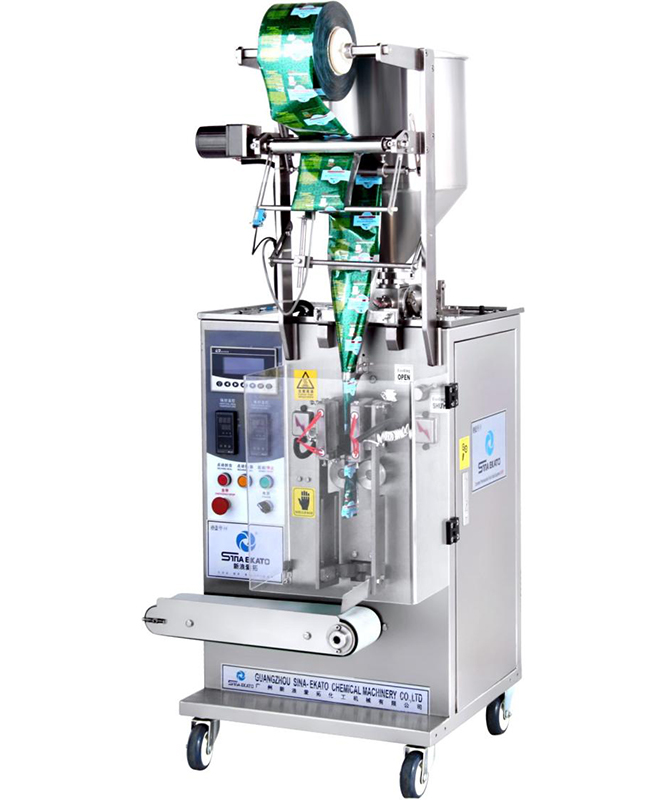
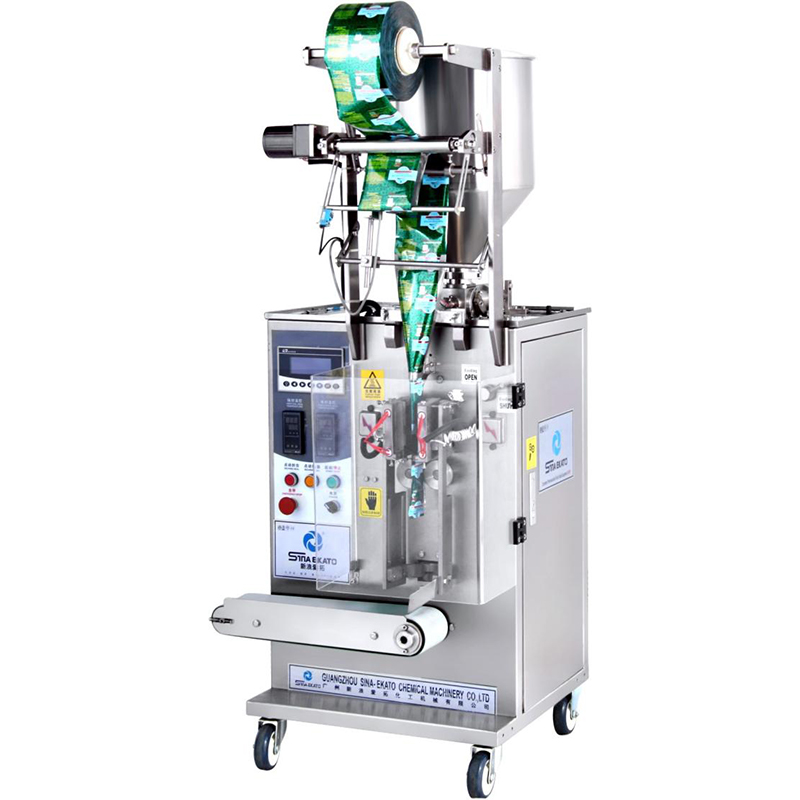
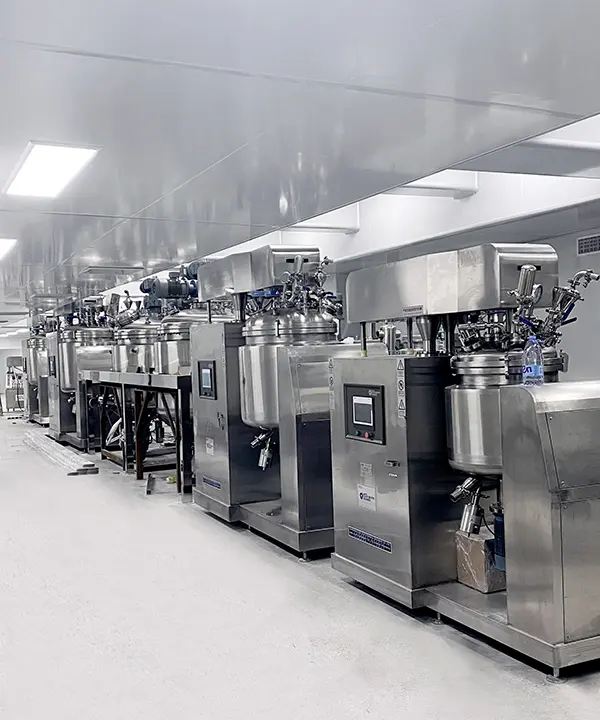
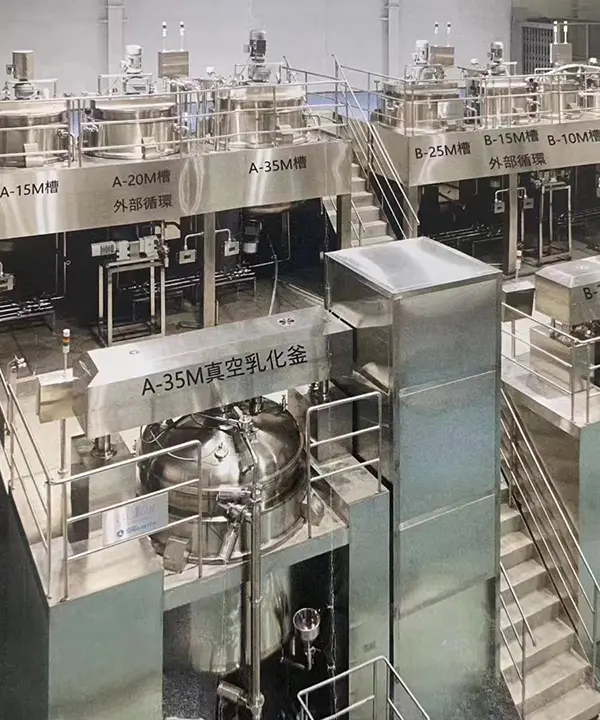
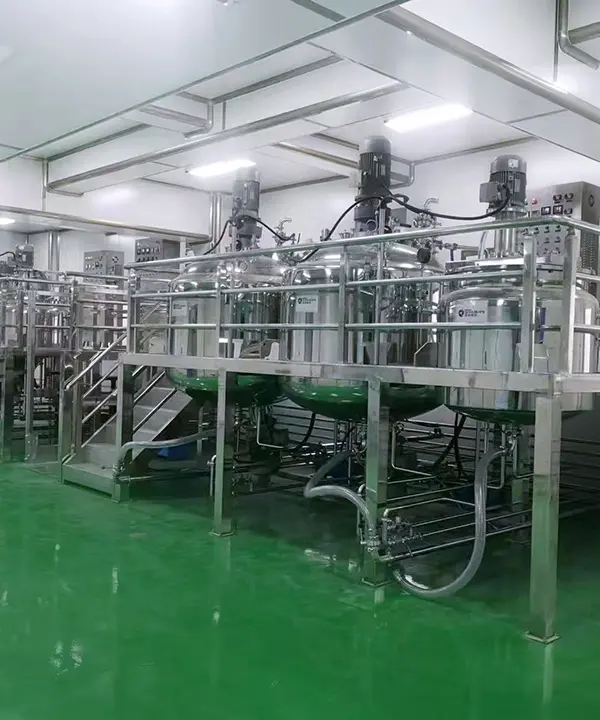
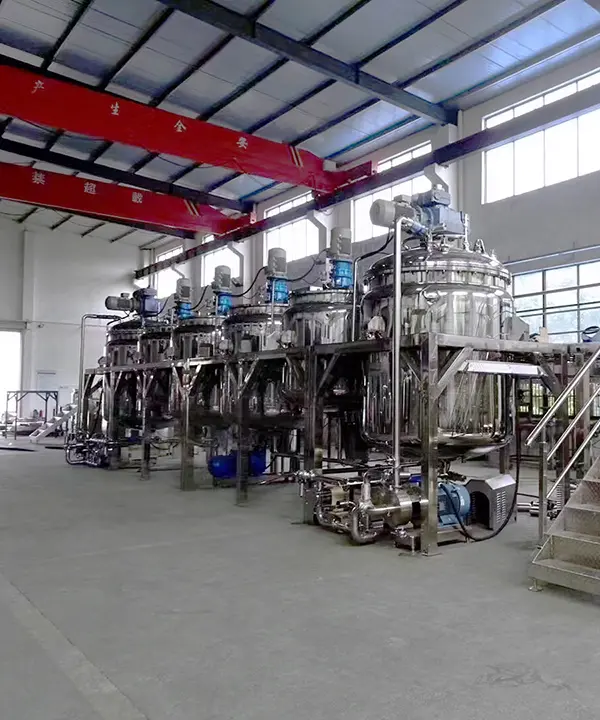
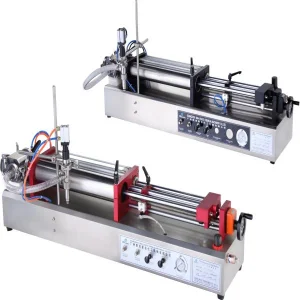
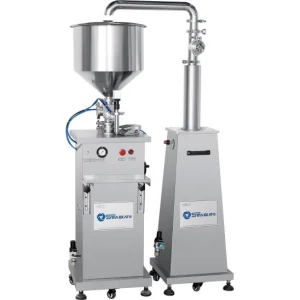
As the economic engine of Malaysia, the Klang Valley and the broader Kuala Lumpur metropolitan region have transitioned from traditional assembly-based manufacturing to highly sophisticated, technology-driven automated production. Driven by the Malaysian government’s Industry4WRD national policy, factories in industrial zones such as Shah Alam, Rawang, and Balakong are rapidly updating their assembly lines. The demand for advanced packaging, specifically specialized liquid and paste filling machine series, has reached an all-time high.
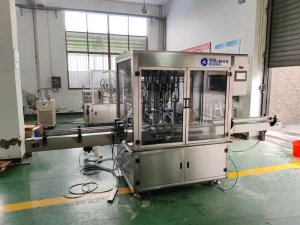
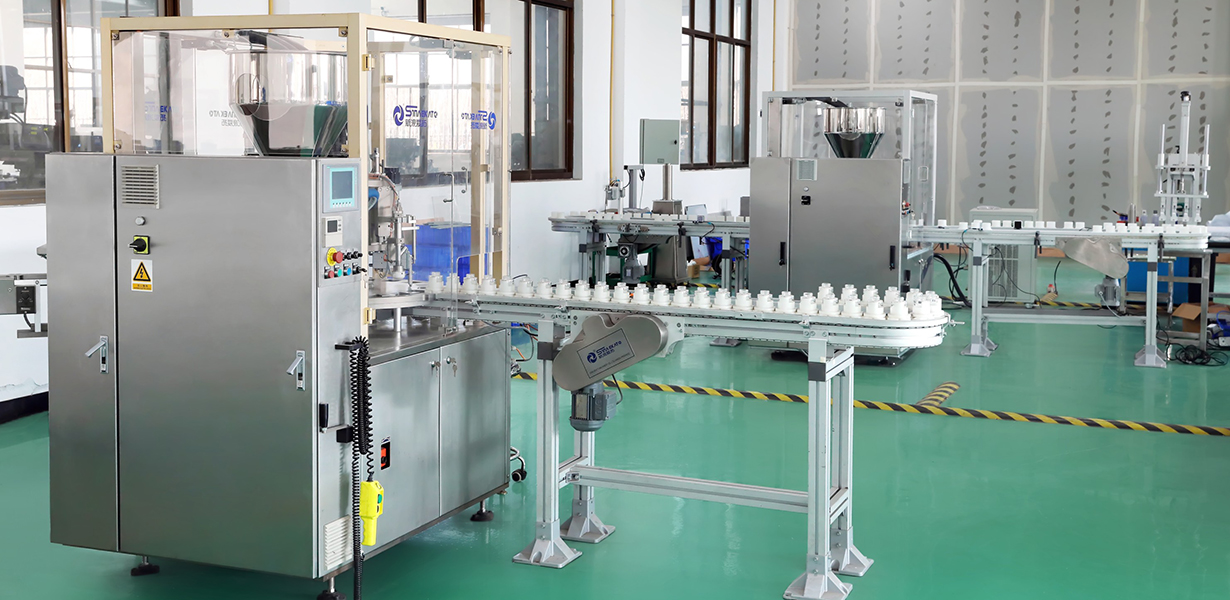
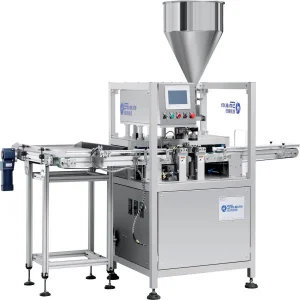
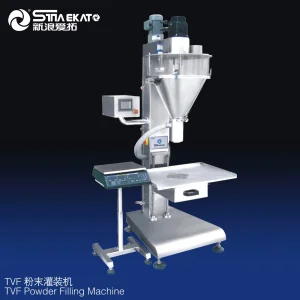
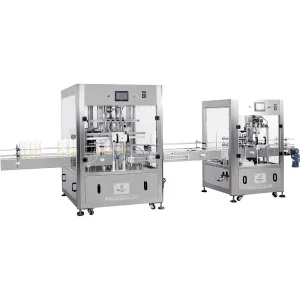
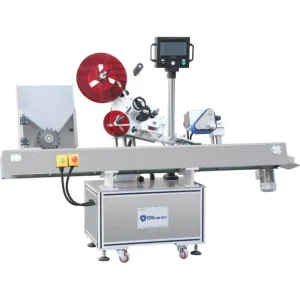
This industrial shift is particularly evident in three sectors: Halal-certified cosmetics, GMP-compliant pharmaceuticals, and consumer chemical goods. Unlike standard industrial equipment, plants operating in these sectors require high-precision volumetric control, sanitizable fluid pathways, and full traceablity. Local manufacturers are no longer looking just for stand-alone fillers; they require unified filling machine lines that connect seamlessly to downstream capping, labeling, and cartoning structures. Modern facilities in Kuala Lumpur demand engineering partnerships that provide deep technical knowledge, regulatory certification compliance (such as NPRA and DOSH standards), and localized post-installation technical support.
The Strategic Advantage of Kuala Lumpur Hubs
Proximity to key international ports like Port Klang combined with rigorous regulatory demands makes Kuala Lumpur a gateway to ASEAN. Equipping your factories with certified, robust filling machinery guarantees swift access to regional Halal cosmetics and biopharmaceutical markets worth billions of dollars.
2. Global Procurement Standards & EEAT-Driven Sourcing
Procuring industrial machinery on a global scale demands deep trust, verifiable engineering credentials, and demonstrated manufacturing expertise. For procurement managers sourcing filling machinery for installations in Kuala Lumpur, checking the engineering provider’s adherence to global compliance standards is paramount. Important metrics include:
- CE Certification: Essential for safety conformity across electrical, pneumatic, and mechanical components.
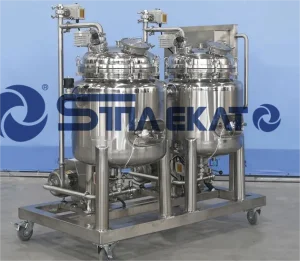
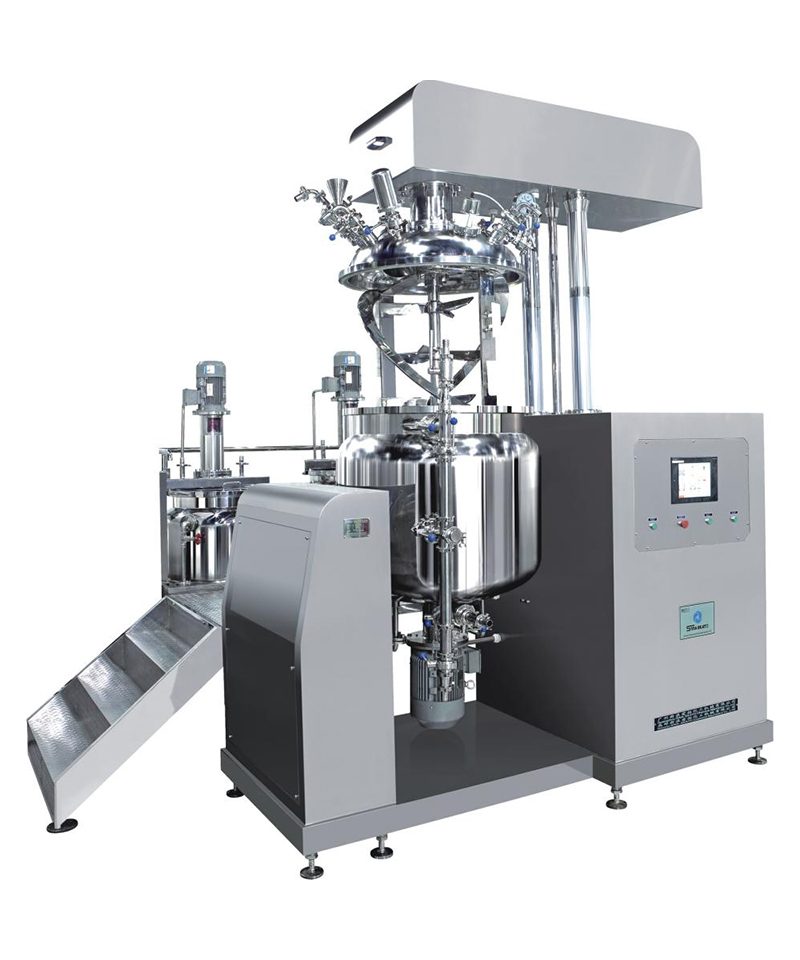
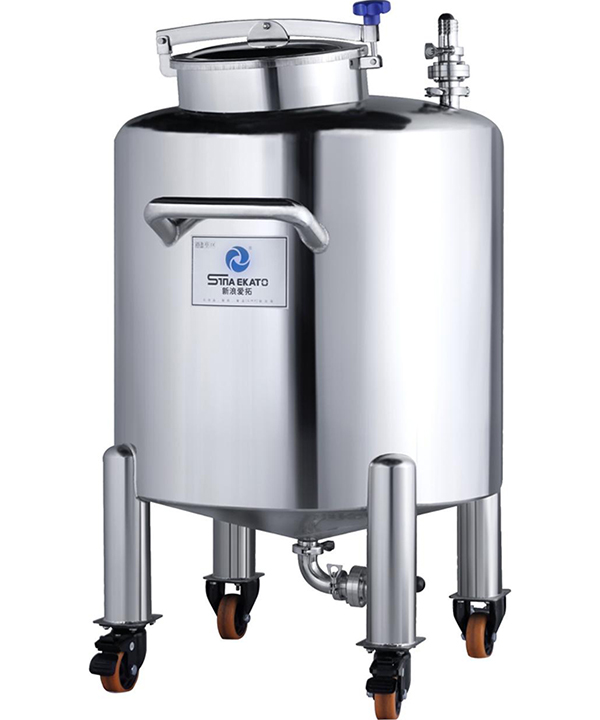
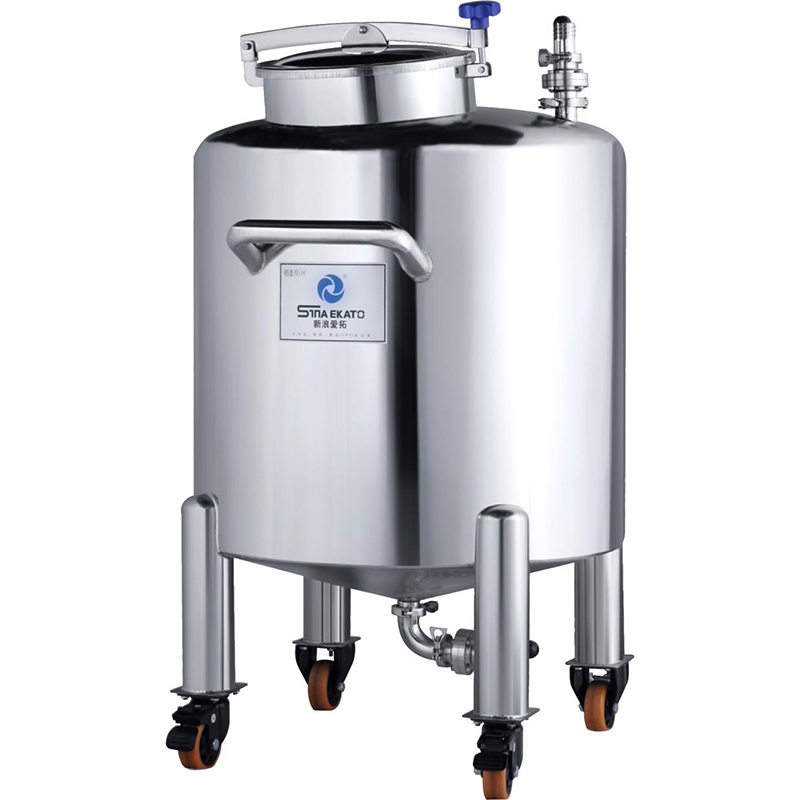
- FDA-Compliant Materials: Product contact parts must utilize Stainless Steel 316L (SUS316L) to prevent fluid contamination and support high-acid/alkaline formulations.
- CIP (Clean-in-Place) Compatibility: Modern automated systems must allow quick sanitary flushes to minimize downtime between batches.
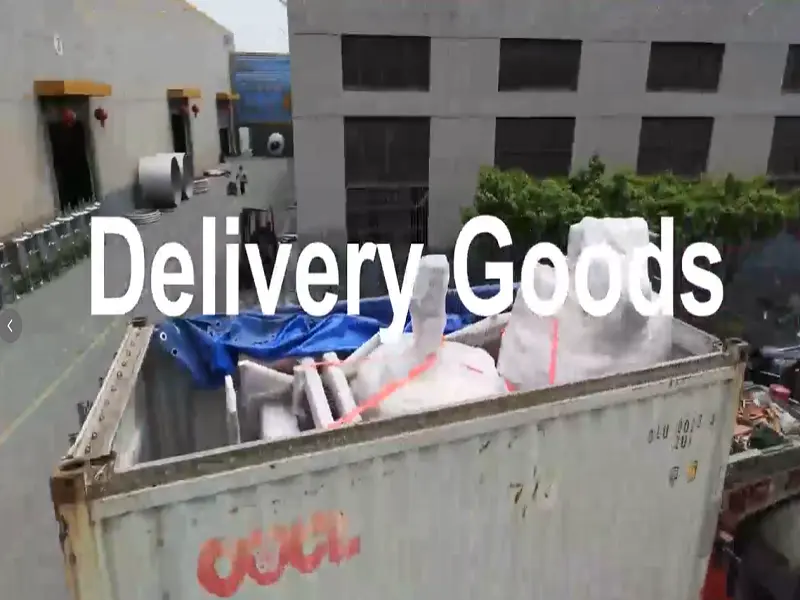
- Robust FAT/SAT Protocols: Every unit must undergo rigorous Factory Acceptance Testing (FAT) with video validation prior to dispatch.