The global filling and packing machine market has transitioned from basic mechanical automation to high-precision, AI-integrated ecosystems. With the global cosmetic and pharmaceutical sectors projected to grow at a CAGR of 5.2% through 2030, the demand for "Tvf" (Technical-Vacuum-Flow) specialized machinery has surged. Enterprises are no longer looking for just equipment; they are seeking Total Productive Maintenance (TPM) compatible solutions that minimize downtime and maximize yield.
In Europe and North America, strict cGMP and FDA regulations drive the need for 316L stainless steel architectures and "CIP" (Clean-in-Place) capabilities. Meanwhile, emerging markets in Southeast Asia and Africa are prioritizing scalability and "Modular Plug-and-Play" designs to adapt to rapidly changing consumer preferences.
China's manufacturing prowess in the packing sector lies in its integrated supply chain depth. Unlike Western counterparts, our factory manages everything from raw material smelting to precision PLC programming in-house. This allows for a "Time-to-Market" reduction of 40% compared to traditional international suppliers.
Whether it's high-viscosity sunscreens in Dubai's heat or organic serums for the UK market, our machines are calibrated for specific environmental and material variables. We utilize multi-servo control systems to handle bottle variations that are common in global logistics.
The industry is moving toward "Digital Twin" technology and Energy-Efficient Design. Future Tvf machines will feature predictive maintenance sensors that alert operators via mobile cloud before a component fails, ensuring 99.9% operational uptime.
Years Industry Expertise
Global Patents Held
FAT Success Rate
Installations Worldwide
We provide a comprehensive end-to-end manufacturing cycle that ensures the highest E-E-A-T standards in the machinery industry.
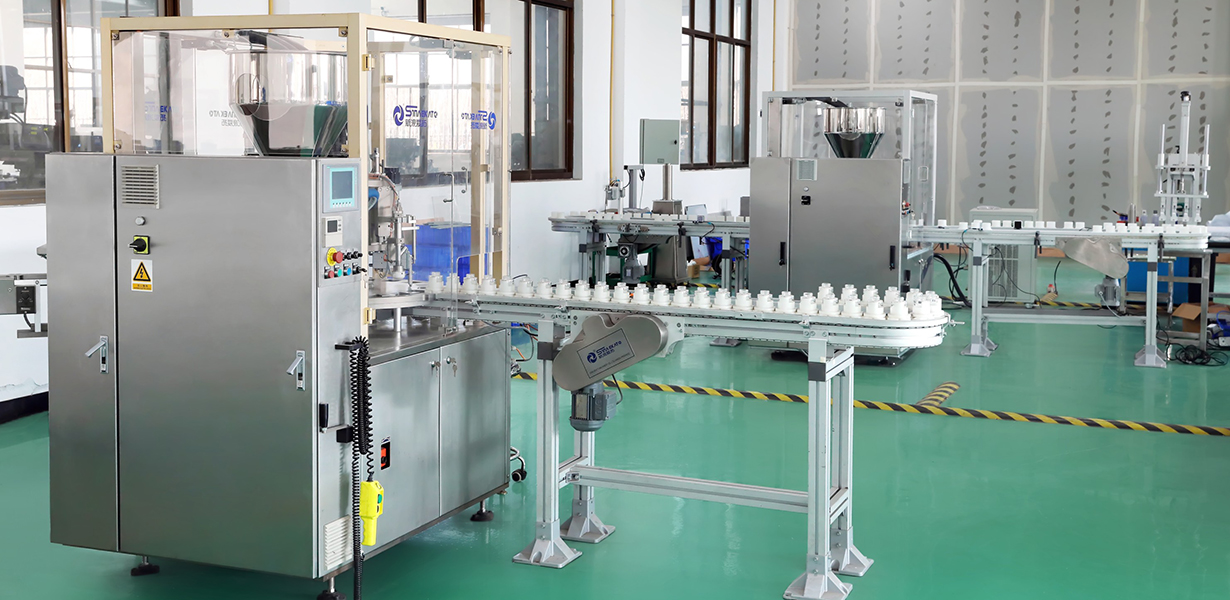
For procurement directors at Fortune 500 cosmetic or pharma firms, the decision-making matrix for a "Discount Tvf Filling Packing Machine" must balance CAPEX (Capital Expenditure) with OPEX (Operational Expenditure). A cheaper machine that lacks precision results in 1-2% product giveaway, which, over a million-unit run, can cost more than the machine itself.
When evaluating a supplier, verify their Stainless Steel 316L certification and Surface Roughness (Ra) reports. Any surface in contact with the product must have an Ra < 0.4μm for pharmaceutical grade equipment to prevent bacterial growth. Our factory provides these certifications as a standard, not an extra.
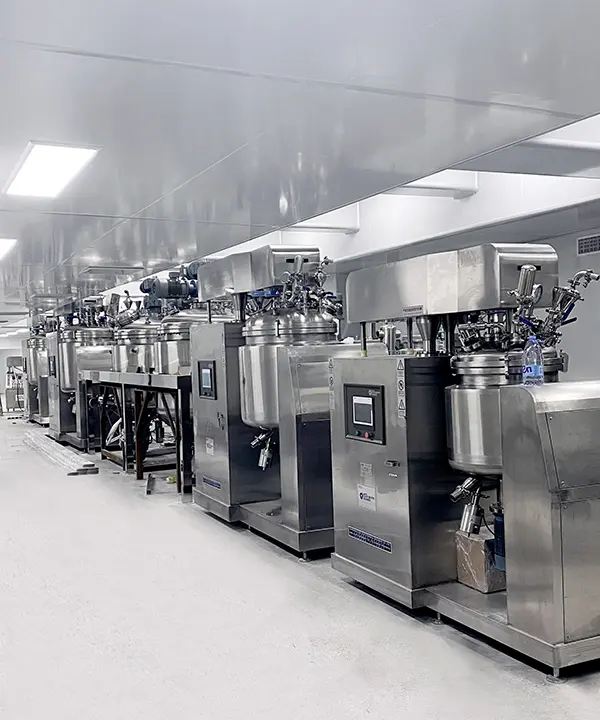
UK Pharmaceutical Project: High-Speed Sterile Filling
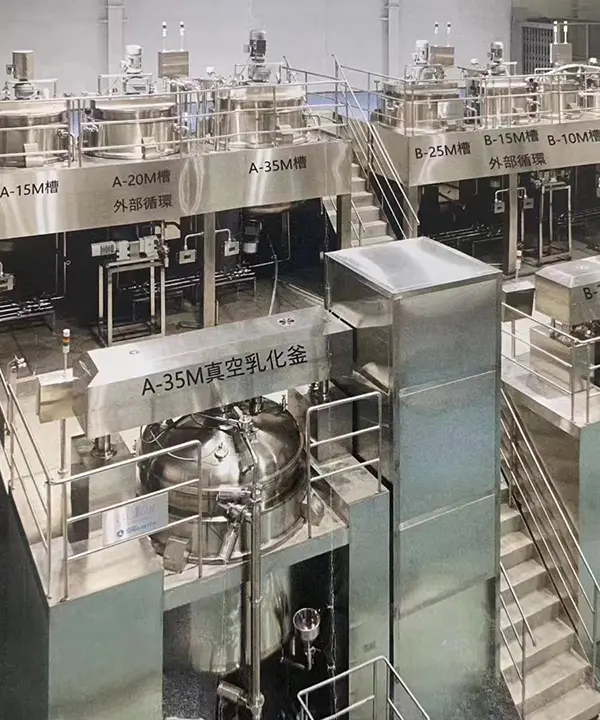
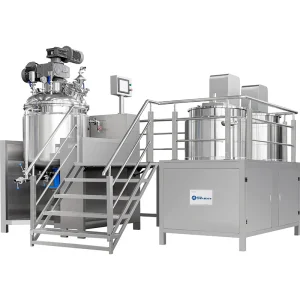
Japan Cosmetic Project: Precision Homogenizing Line
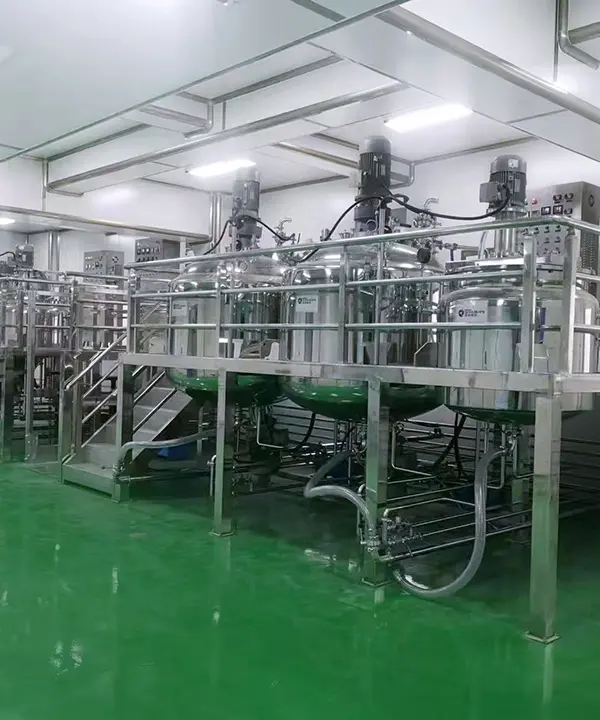
Dubai Luxury Perfume Project: Automated Crimping
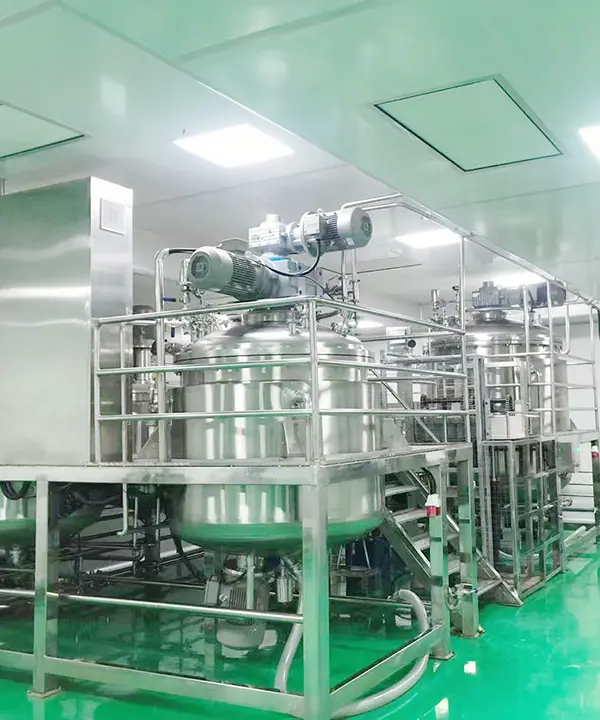
USA Personal Care Project: Modular Packaging System
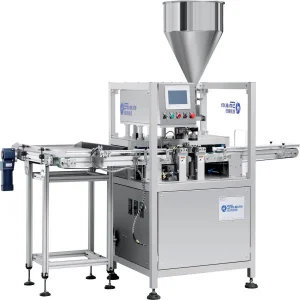
Price is dictated by the degree of automation (Semi-auto vs. Full-auto), the number of filling nozzles, and the integration of servo-driven motors versus pneumatic systems. Servo systems offer higher precision and repeatable accuracy.
Every component is sourced from certified vendors (Siemens PLC, Schneider electronics). Our QC team conducts a 72-hour continuous run-test before the final sign-off to ensure mechanical and electrical safety standards.
Yes. We provide a two-tier support system: Real-time 4K video guidance for minor adjustments and a dedicated team of engineers for on-site commissioning and staff training globally.
Since its establishment, our factory has been developing first world class products with adhering the principle of quality first. Our products have gained excellent reputation in the industry and valuable trust among new and old customers.
Submit Inquiry Now