The Three-Roller Grinding Mill, often referred to as a triple roll mill, remains the cornerstone technology for high-viscosity material processing in the 21st century. As industries shift towards nano-scale particles and ultra-fine dispersion, the demand for CE-certified machinery has surged. Globally, the market is driven by the burgeoning electronics industry (for conductive pastes), the pharmaceutical sector (for ointments), and the high-end cosmetics market.
From the industrial hubs of Europe to the high-efficiency manufacturing zones in China, suppliers are now integrating AI-driven pressure control systems and IoT monitoring to ensure consistent particle size distribution. A Three-Roller Mill utilizes the shear force created by three horizontally positioned rollers rotating in opposite directions and at different speeds to achieve its grinding effect. This mechanism is unparalleled for materials where heat sensitivity and viscosity prevent the use of traditional ball mills or bead mills.
Utilizing high-grade chrome-plated or ceramic rollers (Alumina/Zirconia) to ensure zero contamination in pharmaceutical and food applications.
Full compliance with EU safety, health, and environmental protection requirements, ensuring seamless import and operational safety.
Advanced internal water-cooling channels within the rollers to prevent degradation of heat-sensitive active ingredients.
Our R&D team focuses on customized solutions tailored to your specific material viscosity and production scale requirements.
Strict adherence to ISO9001 and CE standards. Every machine undergoes a 72-hour rigorous FAT (Factory Acceptance Testing).
Optimized supply chain management in our Guangzhou and Hong Kong hubs ensures global shipping timelines are met.
Worldwide installation assistance and 24/7 technical support to minimize downtime in your production line.
Years Experience
Global Patents
Countries Served
Quality Guarantee
Global Projects
The shift towards Chinese manufacturing for Three-Roller Grinding Mills is not merely about cost; it is about the "Efficiency of the Ecosystem." Chinese factories, particularly those centered in industrial hubs like Guangzhou, offer a unique integration of rapid prototyping and massive supply chains. This allows for the production of machines that are 30-40% more cost-effective while maintaining—and often exceeding—the technical specifications of traditional Western counterparts.
Modern Chinese factories have moved from "Imitation" to "Innovation." Current-gen mills feature digital displays for gap precision (down to 1 micron), automated scraper tensioning, and high-torque motors that are significantly more energy-efficient. For a global procurer, this means a faster ROI (Return on Investment) and lower TCO (Total Cost of Ownership).
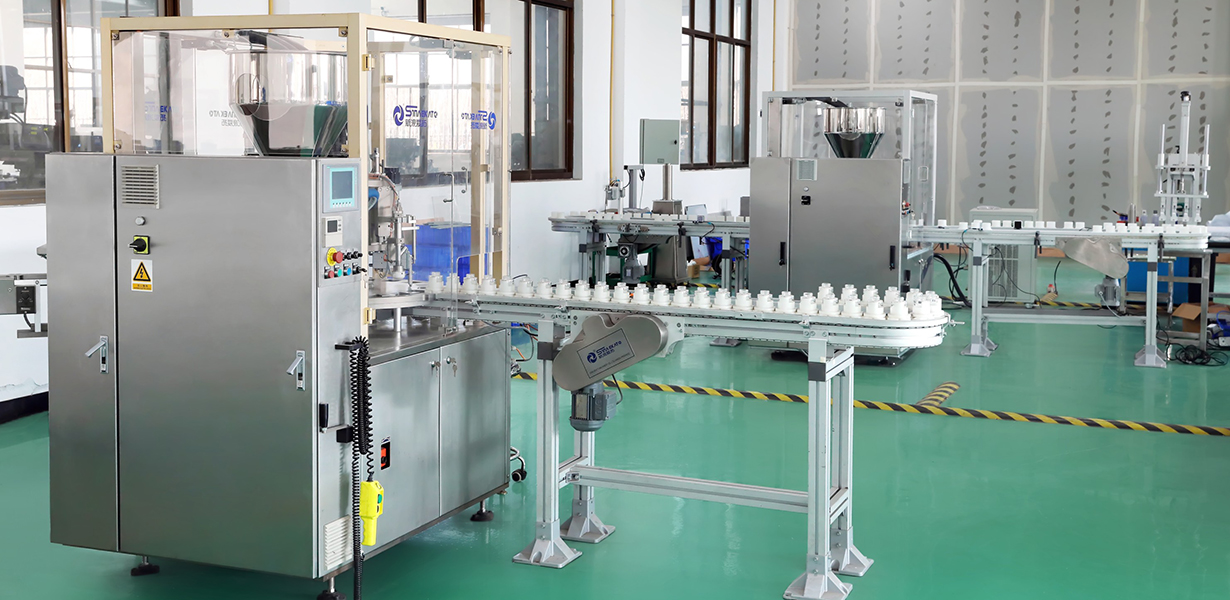
Perfect for dispersing pigments in lipsticks, sunscreens, and thick foundation creams to achieve a silky texture without air bubbles.
Essential for UV-curable inks, metallic inks, and glass coatings where high pigment loading and fine dispersion are required.
Used in the development of lithium battery electrode pastes and conductive silver pastes for solar cells.
Refining composite dental resins and high-viscosity pharmaceutical ointments under sterile conditions.
The industry is moving toward Industry 4.0 integration. We are seeing a transition from manual gap adjustment to hydraulic and electronically controlled systems that can be programmed for specific formulations. This ensures that a mill can switch between different products with minimal setup time. Furthermore, the development of "Nano-Mills" capable of achieving particle sizes below 100nm is opening new doors in the semiconductor and biotech industries.
Environmental sustainability is also a key driver. Modern Three-Roller Mills are designed to reduce solvent evaporation during the grinding process and incorporate easier-to-clean surfaces to reduce chemical waste during batch changes.
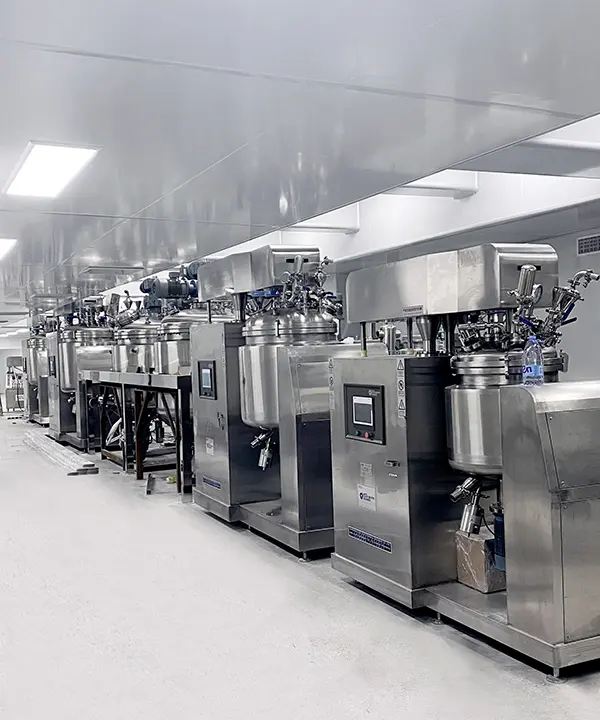
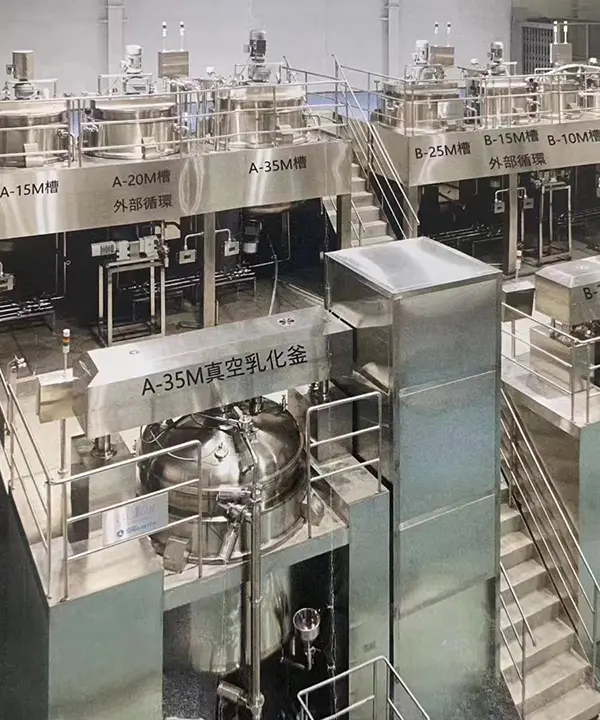
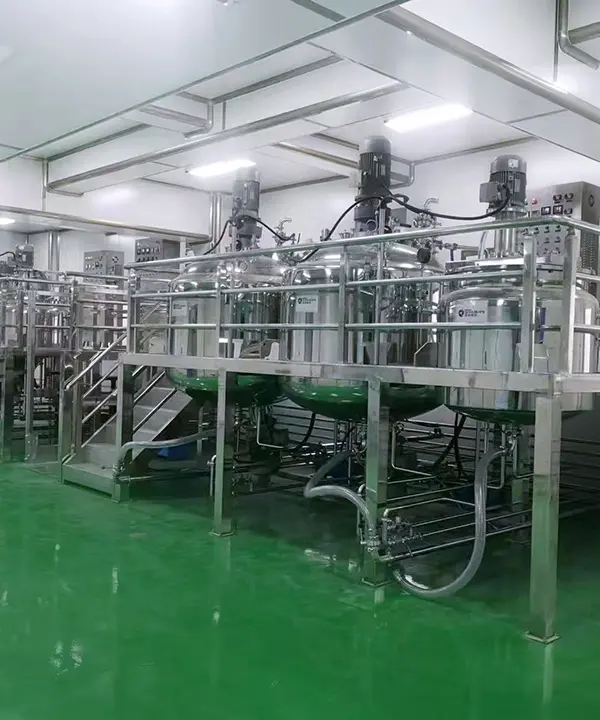
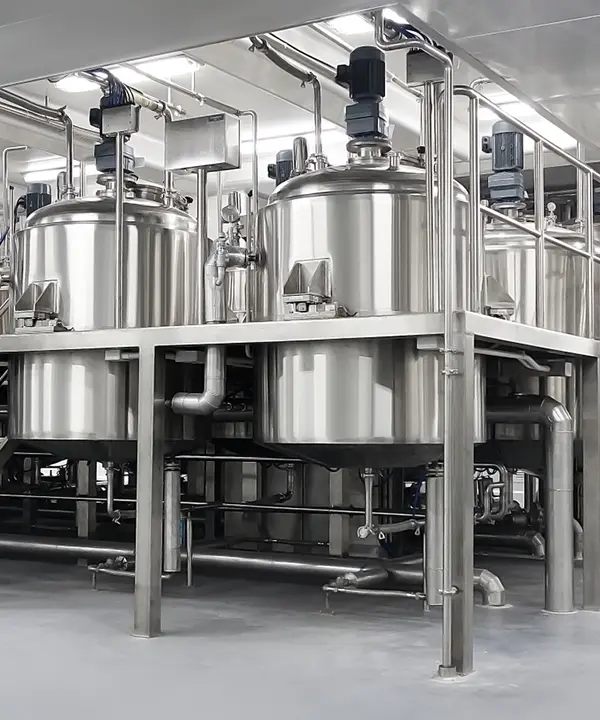
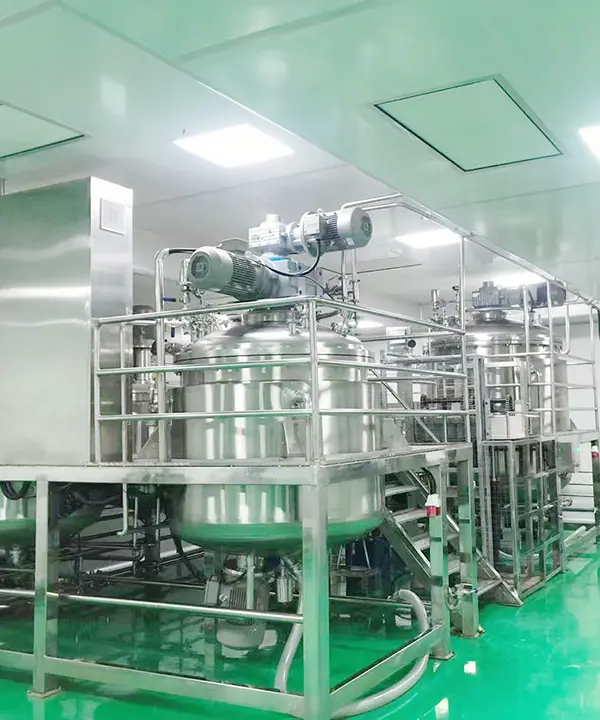
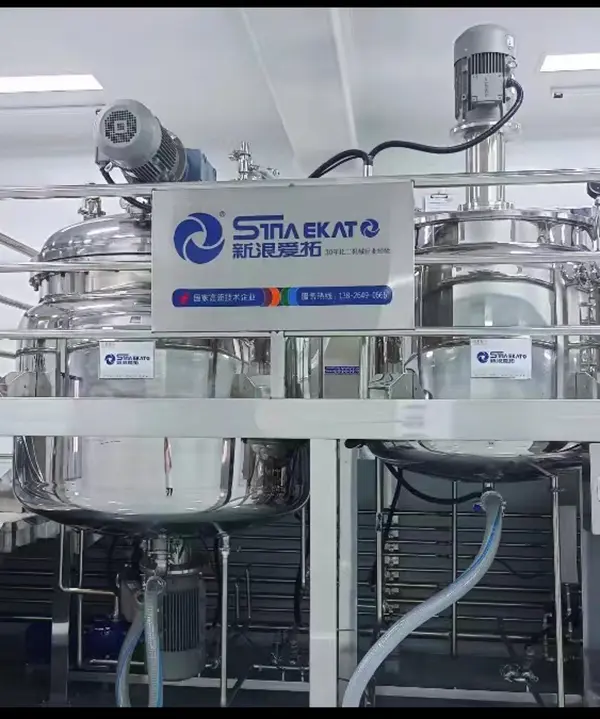
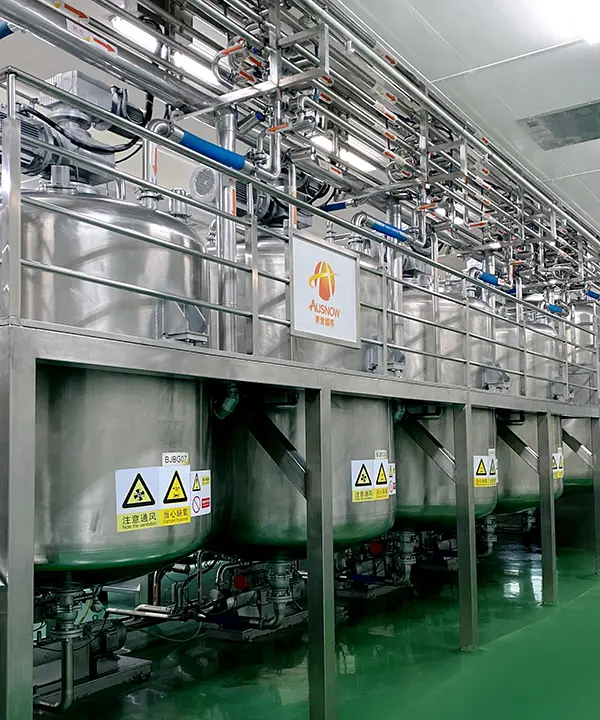
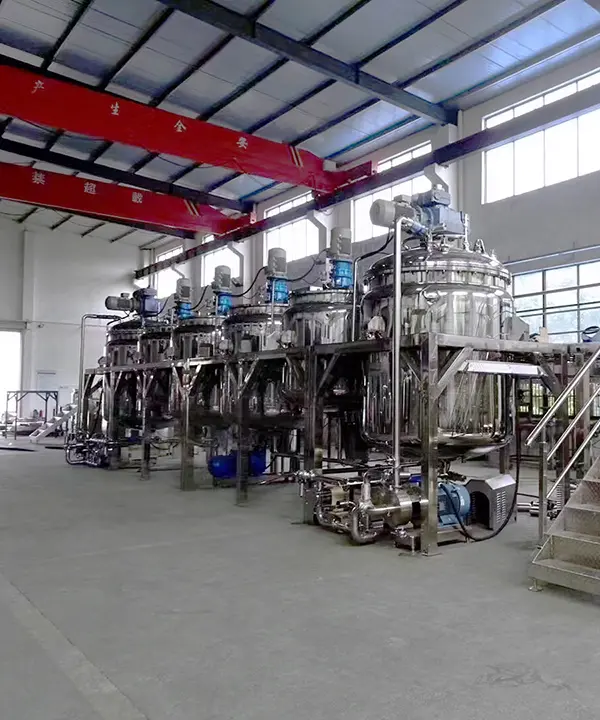
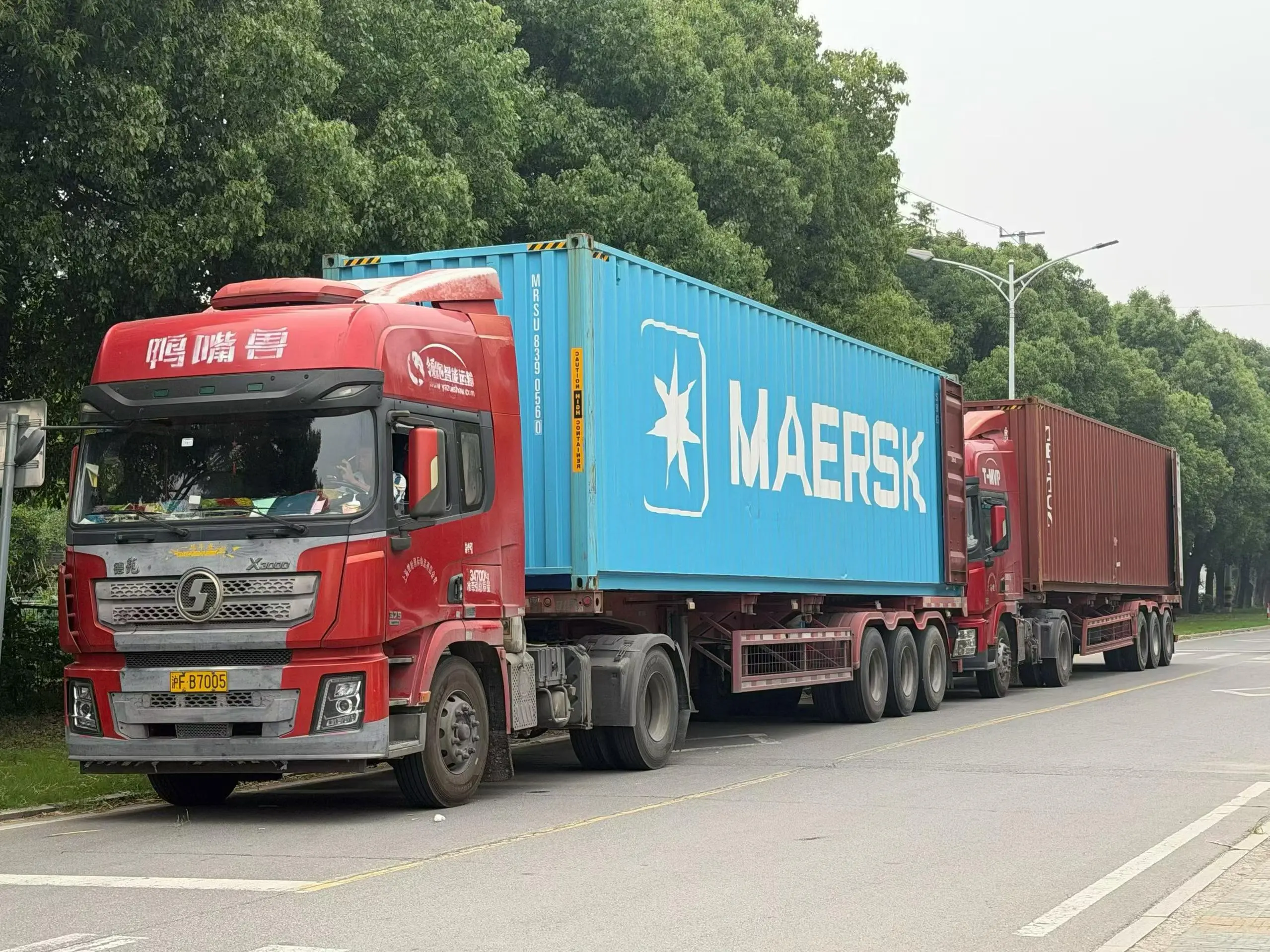
SINAEKATO achieves another breakthrough by dispatching customized mixers and mills to the African market.
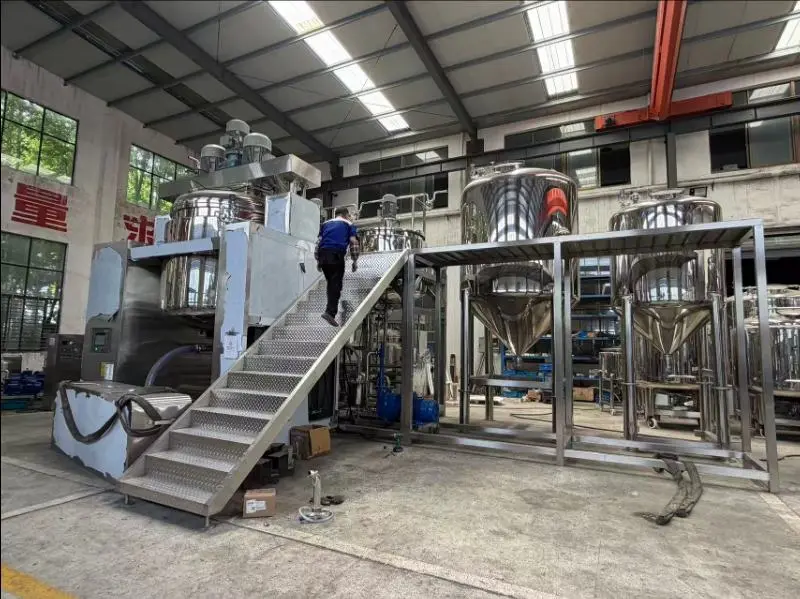
Dedication to high-quality processing equipment design for the global beauty industry since the 1990s.
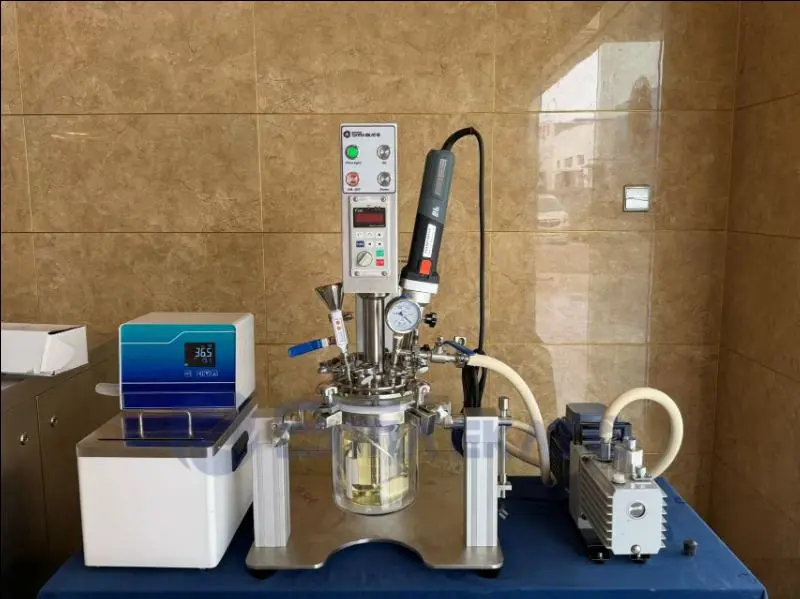
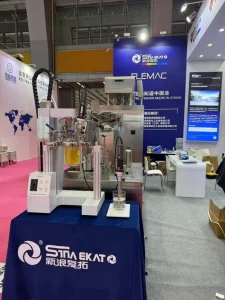
A new high-precision system designed for small-batch production and R&D development.